Maintaining Automated Guided Vehicles (AGVs) is crucial for ensuring their optimal performance, longevity, and reliability. As an AGV supplier, I’ve witnessed firsthand how proper maintenance can significantly enhance the efficiency of operations and reduce downtime. In this blog, I’ll share some key strategies and best practices for maintaining AGVs. AGV
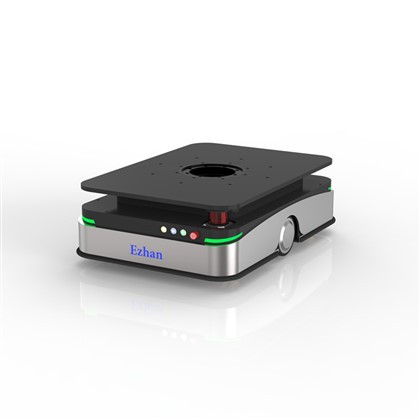
Regular Inspections
Regular inspections are the cornerstone of AGV maintenance. These inspections should be conducted on a scheduled basis, depending on the usage frequency of the AGVs. A daily pre – shift inspection is highly recommended for high – usage AGVs.
During the pre – shift inspection, start by visually examining the AGV’s exterior. Look for any signs of physical damage, such as dents, scratches, or loose parts. Check the wheels for wear and tear. Worn – out wheels can cause uneven movement and put extra stress on the AGV’s drive system. Make sure that the wheels are properly aligned and that the tire pressure is within the recommended range if the AGV uses pneumatic tires.
Inspect the battery. Check the battery connections for tightness and signs of corrosion. Corroded connections can lead to poor electrical conductivity, which may cause the AGV to malfunction. Monitor the battery’s charge level. If the battery is running low, it should be recharged in a timely manner to prevent over – discharging, which can shorten the battery’s lifespan.
Examine the sensors. AGVs rely on various sensors, such as laser scanners, proximity sensors, and vision sensors, to navigate and interact with their environment. Check that the sensors are clean and free from any obstructions. Even a small amount of dust or debris can interfere with the sensor’s performance and lead to inaccurate readings.
Cleaning and Lubrication
Cleaning is an essential part of AGV maintenance. AGVs operate in various environments, and they can accumulate dirt, dust, and debris over time. Regular cleaning helps prevent these contaminants from causing damage to the AGV’s components.
Use a soft brush or compressed air to clean the AGV’s exterior, especially around the sensors and moving parts. Be careful not to damage the sensors during the cleaning process. For the interior components, such as the control panels and electrical connections, use a dry, lint – free cloth to wipe away any dust.
Lubrication is also important for the smooth operation of the AGV’s moving parts. Refer to the manufacturer’s guidelines for the appropriate lubricants to use and the recommended lubrication intervals. Lubricate the bearings, joints, and other moving parts as specified. Proper lubrication reduces friction, which in turn reduces wear and tear and extends the lifespan of the components.
Software Updates
The software that controls the AGV is constantly evolving. Software updates are released to improve the AGV’s performance, add new features, and fix any bugs or security vulnerabilities. As an AGV supplier, we always recommend that our customers keep their AGV software up – to – date.
Before installing a software update, it’s important to back up the existing software and data. This ensures that in case something goes wrong during the update process, you can restore the AGV to its previous state. Test the software update in a controlled environment, such as a test track, before deploying it to the production AGVs. This helps identify any potential issues and allows you to make necessary adjustments.
Training for Operators and Maintenance Staff
Proper training for operators and maintenance staff is vital for the effective maintenance of AGVs. Operators should be trained on how to operate the AGV safely and correctly. They should understand the basic functions of the AGV, such as starting, stopping, and emergency procedures.
Maintenance staff should receive in – depth training on the AGV’s mechanical, electrical, and software systems. They should be able to perform routine maintenance tasks, such as inspections, cleaning, and lubrication, as well as troubleshoot common problems. Training should be provided on a regular basis to keep the staff updated on the latest maintenance techniques and technologies.
Troubleshooting and Problem – Solving
Even with regular maintenance, AGVs may encounter problems from time to time. It’s important to have a systematic approach to troubleshooting. When an AGV malfunctions, start by gathering as much information as possible. Check the error codes displayed on the AGV’s control panel, if available. These error codes can provide valuable clues about the nature of the problem.
Inspect the relevant components based on the error code or the observed symptoms. For example, if the AGV is having trouble moving, check the drive system, including the motors, gears, and wheels. If the navigation is inaccurate, examine the sensors and the software settings.
If you’re unable to solve the problem on your own, don’t hesitate to contact the AGV supplier. As a supplier, we have a team of experts who can provide technical support and guidance. We can also offer on – site maintenance services if necessary.
Record – Keeping
Maintaining detailed records of the AGV’s maintenance activities is essential. Keep track of all inspections, cleaning, lubrication, software updates, and repairs. These records can help you identify patterns and trends in the AGV’s performance. For example, if a particular component fails frequently, you can analyze the maintenance history to determine if there are any underlying issues.
Record – keeping also helps with warranty claims. If an AGV component fails within the warranty period, having detailed maintenance records can prove that the AGV was properly maintained, which may increase the likelihood of a successful warranty claim.
Preventive Maintenance vs. Reactive Maintenance
There are two main approaches to AGV maintenance: preventive maintenance and reactive maintenance. Preventive maintenance involves performing regular maintenance tasks, such as inspections, cleaning, and lubrication, to prevent problems from occurring. This approach helps identify potential issues before they become major problems, reducing downtime and repair costs.
Reactive maintenance, on the other hand, involves fixing the AGV only when it breaks down. While reactive maintenance may seem cost – effective in the short term, it can lead to longer downtime and higher repair costs in the long run. As an AGV supplier, we strongly recommend a preventive maintenance approach to ensure the reliable and efficient operation of the AGVs.
In conclusion, maintaining AGVs requires a comprehensive approach that includes regular inspections, cleaning, lubrication, software updates, training, troubleshooting, and record – keeping. By following these best practices, you can ensure that your AGVs operate at their best, minimize downtime, and extend their lifespan.

If you’re interested in learning more about our AGV products or need assistance with AGV maintenance, we’d be more than happy to have a discussion with you. Contact us to start a procurement conversation and find out how our AGVs can enhance your operations.
Customized AMR/AGV Robot References:
- Industry standards for AGV maintenance
- Manufacturer’s manuals for AGV models
- Technical papers on AGV technology and maintenance
Shenzhen Ezhan Technology Co., Ltd.
We’re known as one of the most reliable AGV manufacturers and suppliers in China. With abundant experience, we warmly welcome you to buy bulk customized AGV from our factory. If you have any enquiry about cooperation, please feel free to email us.
Address: Room 1808, 1809, 1810, Building 2, Aipark, Baolong 4th Road, Longgang District, Shenzhen City
E-mail: sales01@ezhankeji.com
WebSite: https://www.ezhanrobot.com/
