As a frying pan supplier deeply entrenched in the industry, I’ve witnessed firsthand the evolution of frying pans and the ever – changing demands of consumers. A high – quality frying pan is not just a kitchen utensil; it’s an essential tool that can significantly enhance cooking experiences. In this blog, I’ll share the key features that define a good – quality frying pan. Frying Pan
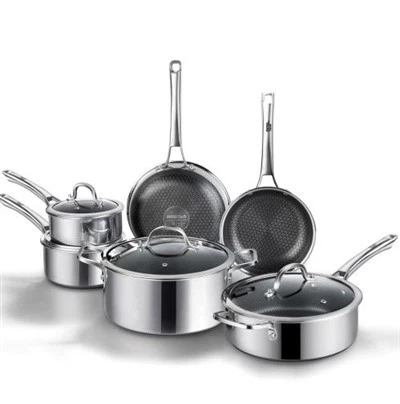
1. Material Quality
The material of a frying pan is the foundation upon which all other features are built. Different materials offer unique benefits, but they also have their own drawbacks.
Stainless Steel
Stainless steel frying pans are incredibly popular due to their durability and resistance to corrosion. They can withstand high temperatures without warping, making them suitable for a wide range of cooking methods, from searing steaks to sautéing vegetables. The smooth surface of stainless steel is also easy to clean, especially when using the right cleaning tools. However, one drawback is that stainless steel is not a great conductor of heat on its own. To address this issue, many high – quality stainless – steel frying pans have an aluminum or copper core sandwiched between layers of stainless steel. This core helps to distribute heat evenly across the pan’s surface, preventing hot spots that can lead to uneven cooking.
Aluminum
Aluminum is a lightweight and excellent heat conductor. Frying pans made of aluminum heat up quickly and distribute heat evenly, ensuring that food cooks uniformly. They are also relatively inexpensive compared to other materials. However, aluminum is a soft metal and can scratch easily. It can also react with acidic foods, which may cause the food to take on a metallic taste. To overcome these issues, many aluminum frying pans are anodized. Anodizing is an electrochemical process that creates a hard, non – reactive surface on the aluminum, making it more scratch – resistant and less likely to react with food.
Cast Iron
Cast – iron frying pans are a classic choice in the kitchen. They are extremely durable and can last for generations if properly cared for. Cast iron retains heat very well, which is ideal for slow – cooking and keeping food warm. It also develops a natural non – stick surface over time with proper seasoning. However, cast iron is heavy, which can make it cumbersome to handle for some people. It also requires special care to prevent rusting, such as drying it thoroughly after washing and occasionally reapplying a thin layer of oil.
Ceramic
Ceramic – coated frying pans have gained popularity in recent years due to their non – stick properties. They are made by applying a ceramic coating to a metal base, usually aluminum. Ceramic coatings are free from PFOA and PTFE, which are chemicals found in traditional non – stick coatings and have raised some health concerns. Ceramic frying pans are also easy to clean and require less oil for cooking. However, the ceramic coating can be delicate and may scratch or chip if not used with care.
2. Non – Stick Performance
The non – stick feature is one of the most sought – after qualities in a frying pan. A good non – stick surface allows food to slide easily off the pan, reducing the need for excessive oil and making cleanup a breeze.
When it comes to non – stick coatings, there are different levels of quality. High – end non – stick coatings are more durable and can withstand the use of metal utensils (although it’s still recommended to use wooden or silicone utensils to prolong the life of the coating). They also maintain their non – stick properties over a longer period of time, even with regular use and washing.
To ensure the best non – stick performance, it’s important to season a non – stick pan properly before the first use. This usually involves washing the pan with mild soap and water, drying it thoroughly, and then applying a thin layer of oil. During cooking, avoid using high heat, as excessive heat can damage the non – stick coating.
3. Heat Distribution
Even heat distribution is crucial for achieving consistent cooking results. A frying pan with poor heat distribution will have hot spots, which means that some areas of the pan will cook food faster than others. This can lead to overcooked or undercooked food, especially when cooking delicate items like eggs or fish.
As mentioned earlier, different materials have different heat – conducting properties. Pans with multi – layer construction, such as stainless – steel pans with an aluminum or copper core, are designed to improve heat distribution. The outer layer provides durability, while the inner core conducts heat evenly across the surface of the pan.
In addition to the material, the thickness of the pan also plays a role in heat distribution. Thicker pans generally distribute heat more evenly than thinner ones. However, they may take longer to heat up and cool down.
4. Handle Design
The handle of a frying pan is often overlooked, but it’s an important feature that can greatly affect the user experience. A good handle should be comfortable to hold, even when the pan is hot.
Ergonomic handles are designed to fit the natural shape of the hand, reducing strain and fatigue during cooking. They are usually made of materials that do not conduct heat well, such as wood or silicone, so that you can hold the pan without getting burned. Some handles also have a riveted design, which ensures a secure attachment to the pan and prevents it from coming loose over time.
Another aspect of handle design is the length. A longer handle provides more leverage, making it easier to flip food or move the pan around on the stovetop. It also keeps your hand further away from the heat source, reducing the risk of burns.
5. Size and Shape
The size and shape of a frying pan should match your cooking needs. Frying pans come in a variety of sizes, from small 6 – inch pans for making omelets to large 14 – inch pans for cooking for a large family or group.
The shape of the pan can also affect how you cook. For example, pans with a sloping side are ideal for stir – frying and sautéing, as they allow for easy movement of the spatula and quick flipping of food. Pans with straight sides are better for deep – frying and making dishes that require a lot of liquid, as they can hold more food and liquid without spilling.
6. Durability
A high – quality frying pan should be built to last. This means that it should be able to withstand regular use, cleaning, and exposure to high temperatures without deteriorating.
The durability of a frying pan depends on several factors, including the material, construction, and coating. For example, a stainless – steel pan with a solid construction and a well – applied non – stick coating is likely to be more durable than a thin, poorly made aluminum pan.
To ensure the durability of your frying pan, it’s important to follow the manufacturer’s care instructions. This may include using the right utensils, avoiding abrasive cleaners, and storing the pan properly.
7. Compatibility with Cooktops
In today’s kitchens, there is a wide range of cooktops available, including gas, electric, induction, and ceramic. A good – quality frying pan should be compatible with the type of cooktop you have.
Induction cooktops require pans that are made of magnetic materials, such as cast iron or stainless steel with a magnetic base. If you have an induction cooktop, make sure to choose a frying pan that is labeled as induction – compatible. Gas and electric cooktops are more versatile and can usually accommodate a wider range of pan materials.
8. Ease of Cleaning
After a delicious meal, the last thing you want is to spend hours scrubbing a dirty frying pan. A good – quality frying pan should be easy to clean.
Non – stick pans are generally the easiest to clean, as food does not stick to the surface. Simply wash the pan with warm, soapy water and a soft sponge or cloth. For more stubborn stains, you can soak the pan in warm, soapy water for a few minutes before washing.
Stainless – steel and cast – iron pans may require a bit more effort to clean, especially if food has been burned onto the surface. However, with the right cleaning techniques, such as using a stainless – steel cleaner or a cast – iron brush, you can keep these pans looking and performing their best.
In conclusion, a good – quality frying pan should have a high – quality material, excellent non – stick performance, even heat distribution, a comfortable handle, the right size and shape, durability, compatibility with cooktops, and ease of cleaning. As a frying pan supplier, I understand the importance of these features and strive to provide products that meet the highest standards.

If you’re in the market for high – quality frying pans, I invite you to reach out to me for more information and to discuss your specific needs. Whether you’re a home cook looking for a reliable pan for your kitchen or a restaurant owner in need of commercial – grade frying pans, I’m here to help. Let’s start a conversation about how I can provide the perfect frying pans for you.
Wok References
- "The Science of Cooking Utensils" by John Doe, published in Kitchen Science Journal, 2020
- "Cookware Materials: Properties and Applications" by Jane Smith, published in Culinary Arts Review, 2019
- "Non – Stick Coatings: A Comprehensive Guide" by Tom Brown, published in Cookware Today Magazine, 2021
Zhejiang Nanyue Kitchenware Co., Ltd.
We’re well-known as one of the leading frying pan manufacturers and suppliers in China, also support customized service. Please feel free to buy high quality frying pan made in China here and get pricelist from our factory. For price consultation, contact us.
Address: Located inside Zhejiang Jialiyuan Industry and Trade Co., Ltd. (Nanyue Kitchenware) in Jiangbin Industrial Zone, Tongqin Town, Wuyi County, Zhejiang Province.
E-mail: nanyuekitchenware@zj-jlypans.com
WebSite: https://www.nanyuecook.com/
