When it comes to using a grinder, one of the most crucial aspects is ensuring that the cutting wheel you choose is compatible with your grinder. As a supplier of cutting wheels, I’ve encountered numerous customers who are unsure about this compatibility. In this blog, I’ll share some insights on how you can determine if a cutting wheel is the right fit for your grinder. Cutting Wheels

Understanding the Basics of Grinders and Cutting Wheels
Before delving into the compatibility factors, it’s essential to understand the basic functions of grinders and cutting wheels. A grinder is a power tool that uses a rotating abrasive wheel to cut, grind, or polish various materials. Cutting wheels, on the other hand, are specifically designed for cutting through materials such as metal, stone, and concrete.
There are different types of grinders, including angle grinders, bench grinders, and die grinders. Each type has its own specifications and requirements, which directly influence the choice of cutting wheel. For example, angle grinders are commonly used for handheld cutting and grinding tasks, while bench grinders are stationary and used for more precise grinding operations.
Key Factors to Consider for Compatibility
1. Wheel Diameter
The diameter of the cutting wheel is one of the most important factors to consider. It must match the size of the grinder’s spindle. Most grinders are designed to accommodate specific wheel diameters. For instance, a common angle grinder might be suitable for wheels with diameters ranging from 4 – 1/2 inches to 9 inches. Using a wheel with an incorrect diameter can be extremely dangerous. A wheel that is too large may not fit properly on the grinder, causing it to wobble during operation. This can lead to uneven cutting, increased wear on the wheel, and even the risk of the wheel flying off, which poses a significant safety hazard.
When selecting a cutting wheel, refer to the grinder’s user manual. It will clearly state the recommended wheel diameters. As a cutting wheel supplier, I always advise customers to double – check this information before making a purchase.
2. Arbor Size
The arbor is the hole in the center of the cutting wheel that fits onto the grinder’s spindle. The arbor size of the cutting wheel must match the arbor size of the grinder. Common arbor sizes for cutting wheels are 5/8 – 11 inches and 7/8 inches. If the arbor size of the wheel is too small, it won’t fit onto the grinder’s spindle. Conversely, if the arbor size is too large, the wheel will not be properly secured, and it can come loose during operation.
To determine the correct arbor size, measure the grinder’s spindle or refer to the user manual. At our supply business, we offer cutting wheels with various arbor sizes to meet the different needs of our customers.
3. RPM (Revolutions Per Minute) Rating
The RPM rating of a cutting wheel indicates the maximum speed at which the wheel can safely rotate. This rating must be equal to or higher than the RPM of the grinder. If the wheel’s RPM rating is lower than the grinder’s speed, the wheel can break apart during operation, causing serious injury.
Grinders typically have their RPM specified on a label or in the user manual. When choosing a cutting wheel, look for the RPM rating on the wheel’s packaging. As a supplier, I make sure to provide clear information about the RPM ratings of our cutting wheels to help customers make safe and informed decisions.
4. Material Compatibility
The material of the cutting wheel should be suitable for the material you are cutting. Different cutting wheels are designed for specific materials. For example, a diamond – impregnated cutting wheel is ideal for cutting hard materials like stone and concrete, while a resin – bonded cutting wheel is better for cutting metal.
Using the wrong type of cutting wheel for a particular material can result in poor cutting performance, excessive wear on the wheel, and potential damage to the grinder. As a cutting wheel supplier, I can offer guidance on which wheel is best suited for different materials based on my experience and knowledge of the products.
5. Wheel Thickness
The thickness of the cutting wheel also plays a role in compatibility. Thicker wheels are generally more durable and suitable for heavy – duty cutting tasks, while thinner wheels are better for more precise and delicate cuts. The grinder’s power and the type of cutting you plan to do will determine the appropriate wheel thickness.
If the grinder has a low – power motor, using a very thick wheel may overload the motor and cause it to overheat. On the other hand, if you need to make fine cuts, a thin wheel will provide better control. Our supply company offers a range of cutting wheels with different thicknesses to meet various cutting requirements.
Additional Tips for Ensuring Compatibility
1. Check for Safety Standards
Make sure that the cutting wheel you choose meets relevant safety standards. In many countries, cutting wheels are required to comply with certain regulations to ensure their quality and safety. Look for markings on the wheel’s packaging indicating compliance with standards such as ANSI (American National Standards Institute) or CE (Conformité Européene).
As a responsible cutting wheel supplier, I only offer products that meet or exceed these safety standards. This gives our customers peace of mind knowing that they are using a reliable and safe product.
2. Consult the Manufacturer
If you are still unsure about the compatibility of a cutting wheel with your grinder, don’t hesitate to consult the grinder’s manufacturer. They can provide you with accurate information based on the specific model of your grinder. You can also reach out to us as your cutting wheel supplier. We have a team of experts who can assist you in selecting the right wheel for your grinder.
3. Inspect the Wheel
Before using a cutting wheel, carefully inspect it for any signs of damage, such as cracks, chips, or uneven wear. A damaged wheel should never be used, as it can pose a serious safety risk. As a supplier, I always ensure that our cutting wheels are thoroughly inspected before they are shipped to customers.
Making the Right Choice
Selecting the right cutting wheel for your grinder is a critical decision that can affect the safety and efficiency of your cutting operations. By considering the factors mentioned above, you can ensure that the cutting wheel you choose is compatible with your grinder.
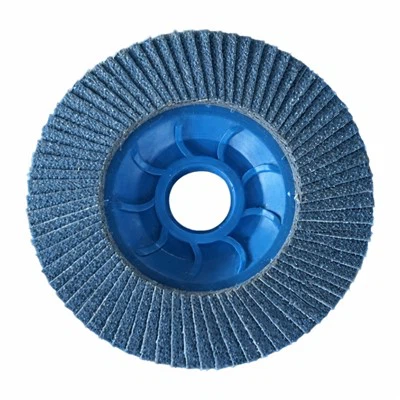
At our cutting wheel supply business, we understand the importance of providing high – quality products and accurate information to our customers. We offer a wide range of cutting wheels with different specifications to meet the diverse needs of our clients. Whether you are a professional tradesperson or a DIY enthusiast, we can help you find the perfect cutting wheel for your grinder.
Abrasive Polishing Wheel If you have any questions about cutting wheel compatibility or would like to explore our product range, please feel free to contact us. We are here to assist you in making the right choice for your cutting needs.
References
- ANSI B7.1 – Safety Requirements for Abrasive Wheels
- OSHA (Occupational Safety and Health Administration) Guidelines for Grinder Safety
- Manufacturer’s User Manuals for Grinders and Cutting Wheels
Henan Yandisc Hardware Tools Co., Ltd.
Address: Zinan Road, High-tech Industrial Development Zone, Zhengzhou, Henan, China
E-mail: info@yandisc.com
WebSite: https://www.yandisc.com/
