In the realm of modern manufacturing, 5 – axis machining centers have emerged as a cornerstone technology, offering unparalleled precision and versatility. As a leading supplier of 5 – axis machining centers, I’ve encountered numerous inquiries regarding the power consumption of these sophisticated machines. Understanding the power consumption is crucial for manufacturers as it directly impacts operational costs, energy efficiency, and overall productivity. In this blog, we’ll delve into the intricacies of the power consumption of 5 – axis machining centers, exploring the factors that influence it and how to manage it effectively. 5-axis Machining Centers
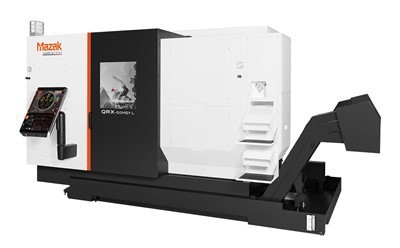
Understanding the Basics of Power Consumption in 5 – Axis Machining Centers
Before we dive into the details, let’s establish a basic understanding of what power consumption means in the context of a 5 – axis machining center. Power consumption refers to the amount of electrical energy that the machine uses during its operation. It is typically measured in kilowatt – hours (kWh), which represents the amount of energy consumed by a device with a power rating of one kilowatt (kW) over the course of one hour.
The power consumption of a 5 – axis machining center is not a fixed value. It can vary significantly depending on several factors, including the machine’s design, the type of operations being performed, the materials being machined, and the machining parameters.
Factors Influencing the Power Consumption
Machine Design and Specifications
The design and specifications of a 5 – axis machining center play a significant role in determining its power consumption. Machines with larger motors, more advanced control systems, and additional features such as automatic tool changers and coolant systems generally consume more power. For example, a high – end 5 – axis machining center with a powerful spindle motor designed for heavy – duty cutting operations will require more energy to operate compared to a smaller, more basic model.
The efficiency of the machine’s electrical components also affects power consumption. Modern 5 – axis machining centers are equipped with energy – efficient motors, drives, and control systems that can reduce energy usage without sacrificing performance. For instance, variable frequency drives (VFDs) can adjust the speed of the motor according to the load, resulting in significant energy savings.
Machining Operations
The type of machining operations being performed on a 5 – axis machining center has a direct impact on its power consumption. Different operations, such as milling, drilling, turning, and grinding, require different amounts of energy. Milling operations, especially those involving high – speed cutting or heavy material removal, typically consume more power than drilling or light finishing operations.
The complexity of the machining operation also matters. Complex 3D machining tasks that involve multiple axes of movement and intricate tool paths require more energy to execute compared to simple 2D operations. Additionally, the use of advanced machining techniques such as high – performance machining (HPM) and high – speed machining (HSM) can increase power consumption due to the higher cutting speeds and feed rates involved.
Material Properties
The materials being machined on a 5 – axis machining center can also influence its power consumption. Harder and tougher materials, such as stainless steel, titanium, and nickel – based alloys, require more energy to cut compared to softer materials like aluminum and plastics. This is because harder materials have higher shear strength, which means that the cutting tool needs to exert more force to remove the material.
The size and shape of the workpiece also play a role. Larger workpieces generally require more energy to machine as they involve more material removal. Similarly, workpieces with complex geometries may require additional machining operations and longer machining times, resulting in higher power consumption.
Machining Parameters
The machining parameters, including cutting speed, feed rate, and depth of cut, have a significant impact on the power consumption of a 5 – axis machining center. Higher cutting speeds and feed rates generally result in increased power consumption as they require more energy to drive the cutting tool through the material. However, increasing the depth of cut can sometimes lead to a more efficient use of energy as it allows for more material to be removed in a single pass.
Finding the optimal machining parameters is crucial for minimizing power consumption while maintaining productivity and quality. This often involves a balance between the cutting speed, feed rate, and depth of cut, taking into account the material properties, tooling, and machine capabilities.
Measuring and Monitoring Power Consumption
As a 5 – axis machining center supplier, we understand the importance of providing our customers with the tools and information they need to measure and monitor the power consumption of their machines. Most modern 5 – axis machining centers are equipped with built – in power meters or energy monitoring systems that allow operators to track the energy usage in real – time.
These systems can provide detailed information about the power consumption of different components of the machine, such as the spindle motor, coolant pump, and control system. By analyzing this data, operators can identify areas where energy savings can be achieved and make adjustments to the machining process accordingly.
In addition to built – in monitoring systems, there are also external power monitoring devices available that can be used to measure the power consumption of a 5 – axis machining center. These devices can provide more accurate and detailed information about the energy usage, and they can be used to compare the power consumption of different machines or machining operations.
Strategies for Reducing Power Consumption
Reducing the power consumption of a 5 – axis machining center is not only beneficial for the environment but also for the bottom line of the manufacturing business. Here are some strategies that manufacturers can implement to reduce the energy usage of their 5 – axis machining centers:
Optimize Machining Parameters
As mentioned earlier, finding the optimal machining parameters is crucial for minimizing power consumption. By adjusting the cutting speed, feed rate, and depth of cut, manufacturers can reduce the energy required to machine the workpiece without sacrificing productivity or quality. This may require some experimentation and testing, but the energy savings can be significant in the long run.
Use Energy – Efficient Tooling
The choice of tooling can also have a significant impact on the power consumption of a 5 – axis machining center. Using high – quality, sharp cutting tools can reduce the cutting forces and improve the cutting efficiency, resulting in lower power consumption. Additionally, some tooling manufacturers offer energy – efficient tool designs that are specifically engineered to minimize energy usage.
Implement Energy Management Systems
Energy management systems (EMS) can help manufacturers optimize the energy usage of their 5 – axis machining centers. These systems can automatically adjust the machine settings based on the production schedule, load conditions, and energy prices. For example, an EMS can schedule the machining operations during off – peak hours when the electricity rates are lower, or it can reduce the power consumption of the machine when it is in idle mode.
Maintain the Machine Regularly
Regular maintenance of the 5 – axis machining center is essential for ensuring its optimal performance and energy efficiency. A well – maintained machine will operate more smoothly and require less energy to perform the same tasks. This includes tasks such as lubricating the moving parts, cleaning the cooling systems, and replacing worn – out components.
Conclusion

In conclusion, the power consumption of a 5 – axis machining center is a complex issue that is influenced by several factors, including machine design, machining operations, material properties, and machining parameters. As a 5 – axis machining center supplier, we are committed to providing our customers with high – quality machines that are not only powerful and precise but also energy – efficient.
Processing Machine By understanding the factors that influence power consumption and implementing the strategies outlined in this blog, manufacturers can reduce the energy usage of their 5 – axis machining centers, lower their operational costs, and improve their environmental sustainability. If you are interested in learning more about our 5 – axis machining centers or need advice on reducing the power consumption of your existing machines, we encourage you to contact us for a consultation. Our team of experts is here to help you find the best solutions for your manufacturing needs.
References
- "Manufacturing Engineering Handbook", Third Edition, by Myer Kutz.
- "Advanced Manufacturing Technology", Fourth Edition, by Geoffrey Boothroyd, Peter Dewhurst, and Winston Knight.
- Industry whitepapers on energy efficiency in machining centers from leading machine tool manufacturers.
Hermens Industrial Co., Ltd.
As one of the most professional 5-axis machining centers enterprises in China, we’re featured by quality products and low price. Please rest assured to buy cheap 5-axis machining centers in stock here and get quotation from our factory. We also accept customized orders.
Address: 9/59 Moo 14, Rachathewa , Bang Phli , Samut Prakan Province 10540
E-mail: liu_jincheng@hzhemen.com
WebSite: https://www.hermensindustrial.com/
