As a well – established supplier specializing in 9.5 – 20 tires, I often get asked about the vibration levels of vehicles equipped with these specific tires. Understanding vibration levels is crucial because it directly impacts the overall driving experience, vehicle performance, and even the lifespan of various components. In this blog post, I’ll delve into what vibration levels are, what factors affect them in vehicles with 9.5 – 20 tires, and why these insights matter to both vehicle owners and potential buyers of our 9.5 – 20 tires. 9.5-20
Understanding Vibration in Vehicles
Vibration in a vehicle is a natural phenomenon caused by several factors. At its most basic level, vibration is the oscillation of a physical system around an equilibrium point. In the context of vehicles, it can manifest as a shaking or trembling sensation that the driver and passengers can feel. These vibrations can occur in different frequencies and amplitudes, which are measured in units such as meters per second squared (m/s²).
The vibration levels of a vehicle are an important consideration for multiple reasons. Excessive vibration can lead to discomfort for the vehicle occupants, as continuous shaking can cause fatigue, especially during long – distance drives. Moreover, it can also have serious implications for vehicle safety. High – level vibrations can affect the steering and handling of the vehicle, potentially leading to poor control and an increased risk of accidents. Additionally, long – term exposure to high – intensity vibrations can damage various vehicle components such as the suspension system, steering mechanism, and even the engine.
Factors Affecting Vibration Levels in Vehicles with 9.5 – 20 Tires
Tire Design and Construction
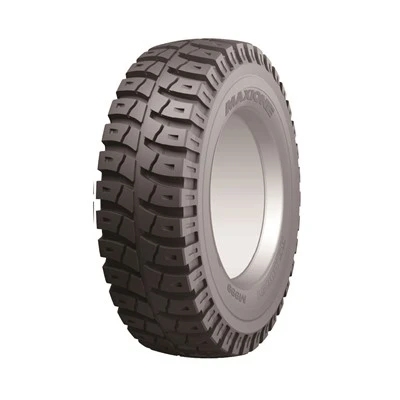
One of the primary factors that influence the vibration levels of a vehicle with 9.5 – 20 tires is the tire’s design and construction. The tread pattern of the tire plays a significant role. Tires with an irregular or aggressive tread pattern can generate more vibration as they interact with the road surface. For example, a tire designed for off – road use with large, deep tread blocks may create more vibration compared to a tire with a smoother, more evenly spaced tread pattern designed for highway driving.
The internal structure of the tire is also critical. The ply rating, which refers to the number of layers of rubber – coated fabric in the tire’s carcass, affects how the tire responds to forces. A higher ply rating generally means a more rigid tire, which can influence the vibration characteristics. Additionally, the way the tire is balanced during the manufacturing process is crucial. Imbalanced tires can cause uneven forces to be applied to the vehicle’s suspension and wheels, resulting in increased vibration levels. Our company takes great care in ensuring that all of our 9.5 – 20 tires are precisely balanced to minimize these issues.
Road Conditions
The condition of the road surface is another major factor impacting vibration levels. Rough, uneven roads with potholes, cracks, and bumps can cause significant vibrations. When a vehicle with 9.5 – 20 tires travels over such roads, the tires are constantly subjected to sudden changes in force as they navigate these irregularities. The size and shape of the tire influence how it responds to these road conditions. The 9.5 – 20 tire size provides a certain amount of cushioning, but on extremely rough roads, the vibration levels can still be quite high.
In contrast, smooth, well – maintained roads allow the tires to roll more evenly, resulting in lower vibration levels. High – quality highways with a fine – textured asphalt surface are ideal for achieving a smooth ride. However, even on good roads, minor surface irregularities can still cause some vibration, which is why proper tire design and vehicle suspension tuning are so important.
Vehicle Suspension System
The vehicle’s suspension system is designed to absorb and dampen vibrations. It consists of components such as springs, shock absorbers, and struts. A well – maintained and properly calibrated suspension system can significantly reduce the vibration levels felt inside the vehicle. The suspension works by compressing and expanding to absorb the shocks and vibrations generated by the tires as they encounter road irregularities.
For vehicles with 9.5 – 20 tires, the suspension needs to be carefully engineered to handle the specific load – carrying capacity and dynamic characteristics of these tires. If the suspension is worn out, damaged, or not properly matched to the tire size, it can lead to increased vibration. For example, worn shock absorbers may not be able to effectively dampen the oscillations, allowing more vibration to be transmitted to the vehicle’s body.
Vehicle Load and Speed
The load carried by the vehicle and its speed also affect vibration levels. When a vehicle is fully loaded, the additional weight puts more stress on the tires and the suspension system. This can cause the tires to deform more under the load, which in turn can increase the vibration levels. The 9.5 – 20 tires are designed to handle a certain range of loads, but exceeding this capacity can lead to issues.
Speed is another important factor. As the vehicle speed increases, the frequency and amplitude of the vibrations can also increase. At higher speeds, the tires are rotating faster, and any minor imbalances or irregularities in the tire or the road surface can have a more pronounced effect. Therefore, it’s important to ensure that the tires are in good condition and properly balanced to maintain acceptable vibration levels at various speeds.
Measuring and Monitoring Vibration Levels
To accurately assess the vibration levels of vehicles with 9.5 – 20 tires, specialized equipment is used. One common method is to use accelerometers, which are devices that measure acceleration. By placing accelerometers at various points on the vehicle, such as on the chassis, suspension components, or inside the cabin, it’s possible to measure the vibrations in different directions and frequencies.
The data collected from accelerometers can be analyzed to determine the root causes of excessive vibration. For example, if high – frequency vibrations are detected at the wheels, it may indicate a tire imbalance or a problem with the wheel bearings. On the other hand, low – frequency vibrations may be related to issues with the suspension system or the engine.
Regular monitoring of vibration levels can help vehicle owners detect potential problems early. By establishing a baseline vibration level for a vehicle in good condition, any significant changes in the vibration pattern can be used as an indicator of a developing issue. This allows for timely maintenance and repairs, which can prevent more serious problems from occurring and extend the lifespan of the vehicle.
Why Our 9.5 – 20 Tires Are a Good Choice for Reducing Vibration
As a 9.5 – 20 tire supplier, we are committed to providing high – quality tires that minimize vibration. Our team of engineers uses advanced tire design techniques to create tires with optimized tread patterns. These patterns are designed to provide a smooth and quiet ride while still maintaining excellent traction and handling characteristics.
We also pay close attention to the internal construction of our tires. We use high – quality materials and precise manufacturing processes to ensure that each tire is well – balanced and has a consistent internal structure. This helps to reduce the uneven forces that can cause vibration. Moreover, our tires are rigorously tested for vibration levels during the development phase to ensure that they meet or exceed industry standards.
Contact Us for Your 9.5 – 20 Tire Needs
If you’re looking for 9.5 – 20 tires that offer reduced vibration levels, excellent performance, and durability, we’re here to help. Whether you’re a fleet operator, a commercial vehicle owner, or an individual looking for the best tires for your vehicle, our 9.5 – 20 tires are a great choice.

We understand that every customer has unique needs, and we’re dedicated to providing personalized solutions. Our knowledgeable sales team can answer all of your questions about our 9.5 – 20 tires, help you choose the right tire for your specific application, and provide competitive pricing.
M333 Don’t hesitate to reach out to us to start a discussion about your 9.5 – 20 tire requirements. We look forward to the opportunity to work with you and to provide you with the best tires on the market.
References
- Bosch Automotive Handbook, 8th Edition
- J. Crolla, William and Crolla, David, "Vehicle Dynamics: Theory and Application"
- Society of Automotive Engineers (SAE) standards related to tire performance and vibration
Address: China
E-mail: info@maxione.com
WebSite: https://www.maxionetyre.com/
