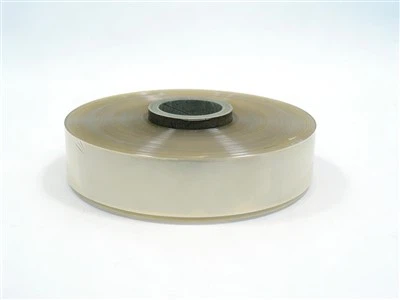
In the world of packaging materials, Polyvinylidene Chloride (PVDC) film and Polypropylene (PP) film are two widely used options, each with its unique characteristics and applications. As a PVDC film supplier, I’ve had the privilege of witnessing firsthand the diverse needs of our customers and how these two materials stack up against each other. In this blog, I’ll delve into a detailed comparison between PVDC film and PP film, exploring their properties, advantages, disadvantages, and typical use cases. Polyvinylidene Chloride Film
1. Chemical Composition and Structure
PVDC Film
PVDC is a polymer derived from vinylidene chloride monomers. Its molecular structure features a high degree of chlorine substitution, which gives it excellent barrier properties. The chlorine atoms in the PVDC chain create a dense and tightly packed structure that restricts the passage of gases, such as oxygen, carbon dioxide, and water vapor. This makes PVDC film an ideal choice for applications where product freshness and shelf life extension are crucial.
PP Film
PP is a thermoplastic polymer made from propylene monomers. It has a relatively simple linear structure with a hydrocarbon backbone. The absence of polar groups in the PP molecule results in a non – polar and hydrophobic material. Polypropylene exists in different forms, including isotactic, syndiotactic, and atactic, with isotactic PP being the most commonly used for film production due to its high crystallinity and good mechanical properties.
2. Physical Properties
Barrier Properties
- PVDC Film: As mentioned earlier, PVDC film is renowned for its outstanding barrier performance. It offers an extremely low oxygen transmission rate (OTR) and water vapor transmission rate (WVTR), which helps to preserve the quality of packed products by preventing oxidation, moisture loss, and flavor transfer. For example, in the food industry, PVDC – wrapped meat products can maintain their color, texture, and taste for a longer period compared to those wrapped in other materials.
- PP Film: While PP film has some barrier properties, they are generally inferior to those of PVDC film. The non – polar nature of PP allows gases and moisture to permeate through the film more easily. However, through processes such as co – extrusion and coating, the barrier properties of PP film can be improved to some extent, but it still cannot match the high – level barrier performance of PVDC film.
Mechanical Properties
- PVDC Film: PVDC film has good tensile strength and flexibility, which allows it to be easily formed and wrapped around products. It also has excellent puncture resistance, which is beneficial for protecting delicate items from damage during handling and transportation.
- PP Film: PP film is known for its high stiffness and impact resistance. It can maintain its shape well under various conditions and is suitable for applications where a rigid packaging structure is required. However, it may be less flexible than PVDC film in some cases, which could limit its use in certain packaging designs.
Optical Properties
- PVDC Film: PVDC film typically has good clarity and gloss, which enhances the visual appeal of the packaged products. It provides a clear view of the contents, making it suitable for applications where product visibility is important, such as display packaging.
- PP Film: PP film also offers high clarity and a smooth surface finish. It can be made into transparent or opaque films depending on the application requirements. Opaque PP films can be used for products that need to be protected from light, while transparent ones are ideal for showcasing the contents.
3. Thermal Properties
PVDC Film
PVDC film has a relatively low melting point compared to PP film. It starts to melt at around 160 – 200°C. This property makes it easy to process, such as heat – sealing, which is a common packaging operation. However, it also means that PVDC film may not be suitable for applications involving high – temperature processing or storage.
PP Film
PP film has a higher melting point, typically in the range of 160 – 176°C for isotactic PP. This high melting point gives PP film better heat resistance, allowing it to withstand higher temperatures during processing, such as in sterilization processes or when used in hot – fill applications.
4. Chemical Resistance
PVDC Film
PVDC film has good chemical resistance to a wide range of substances, including oils, fats, and many solvents. This makes it suitable for packaging products that contain these substances, such as food products with high – fat content or industrial chemicals.
PP Film
PP film also exhibits excellent chemical resistance, especially to non – polar solvents. It is resistant to many acids, alkalis, and organic solvents at room temperature. However, in the presence of strong oxidizing agents or at high temperatures, its chemical resistance may be compromised.
5. Cost Considerations
PVDC Film
PVDC film is generally more expensive than PP film. The production process of PVDC involves more complex chemical reactions and requires specific raw materials, which contribute to the higher cost. However, the superior barrier properties of PVDC film can justify the higher cost in applications where product quality and shelf life are of utmost importance.
PP Film
PP film is one of the most cost – effective packaging materials available. The raw materials for PP production are abundant and relatively inexpensive, and the manufacturing process is well – established and efficient. This makes PP film a popular choice for high – volume packaging applications where cost is a major concern.
6. Environmental Impact
PVDC Film
The environmental impact of PVDC film is a subject of some debate. On one hand, its excellent barrier properties can help to reduce food waste by extending the shelf life of products. On the other hand, PVDC contains chlorine, and its disposal, especially through incineration, can release harmful substances such as dioxins. However, proper waste management and recycling initiatives can help to mitigate these environmental concerns.
PP Film
PP is a more environmentally friendly option compared to PVDC in terms of disposal. It is a recyclable material, and there are well – established recycling programs for PP products. Additionally, PP has a lower carbon footprint during production compared to some other polymers.
7. Typical Applications
PVDC Film
- Food Packaging: PVDC film is widely used in the food industry for packaging meat, cheese, snacks, and other perishable products. Its high – barrier properties help to keep the food fresh and prevent spoilage.
- Medical Packaging: In the medical field, PVDC film is used for packaging medical devices, pharmaceuticals, and surgical supplies. It provides protection against moisture, oxygen, and contaminants, ensuring the sterility and quality of the products.
- Industrial Packaging: PVDC film is also used in industrial applications, such as packaging electronic components and chemicals, where protection from environmental factors is essential.
PP Film
- Food Packaging: PP film is commonly used for packaging dry foods, such as cereals, crackers, and bakery products. It can also be used for making food containers and lids.
- Textile Packaging: In the textile industry, PP film is used for packaging fabrics, garments, and other textile products. It provides protection against dust, moisture, and damage during storage and transportation.
- Labeling and Stationery: PP film is used for making labels, stickers, and stationery items due to its good printability and durability.
Conclusion

In conclusion, both PVDC film and PP film have their own unique strengths and weaknesses. PVDC film excels in barrier properties, which make it ideal for applications where product preservation is critical. On the other hand, PP film offers cost – effectiveness, good mechanical and thermal properties, and environmental friendliness, making it a popular choice for a wide range of packaging applications.
Food Wrap Film As a PVDC film supplier, I understand that each customer has specific requirements, and the choice between PVDC film and PP film depends on various factors, including the nature of the product, packaging design, cost constraints, and environmental considerations. If you are looking for high – quality PVDC film solutions for your packaging needs, I would be more than happy to discuss your requirements and provide you with the best possible options. Please feel free to contact me to start a procurement discussion.
References
- "Handbook of Plastic Films" by E. M. Woo
- "Polymer Science and Technology" by Donald R. Paul and Christopher B. Bucknall
- Various industry reports on packaging materials and their applications.
Sinosealed Packaging Solutions Limited
With a professional production team, we are one of the most experienced polyvinylidene chloride film manufacturers and suppliers in China. Please rest assured to buy high quality polyvinylidene chloride film for sale here from our factory. For price consultation, contact us.
Address: Luohe City, Henan Province, China
E-mail: contact@barrierpackage.com
WebSite: https://www.barrierpackage.com/
