How do I know if my lower ball joint needs to be replaced?
As a seasoned supplier in the automotive industry, specializing in lower ball joints, I’ve encountered numerous customers grappling with the question of whether their lower ball joints need replacement. The lower ball joint is a critical component in a vehicle’s suspension system, acting as a pivotal connection between the steering knuckle and the control arm. Its proper functioning is essential for safe and smooth driving, making it imperative to diagnose any potential issues early. Lower Ball Joint

Understanding the Function of Lower Ball Joints
Before delving into the signs of a failing lower ball joint, it’s essential to understand its role in the vehicle’s suspension system. The lower ball joint facilitates the movement of the wheels while maintaining the stability and alignment of the vehicle. It allows the wheels to pivot and turn, adapting to various road conditions and driving maneuvers. Over time, however, the constant stress and wear can take a toll on the ball joint, leading to deterioration and eventual failure.
Common Signs of a Worn-Out Lower Ball Joint
- Clunking or Knocking Noise: One of the most telling signs of a failing lower ball joint is a clunking or knocking noise coming from the front of the vehicle. This noise is often more pronounced when driving over bumps, potholes, or uneven surfaces. The clunking sound is caused by the loose or worn ball joint allowing excessive movement, which causes the metal components to knock against each other.
- Vibration in the Steering Wheel: A worn lower ball joint can also cause vibration in the steering wheel. This vibration is typically felt at low speeds and can become more severe as the ball joint deteriorates further. The vibration is a result of the ball joint’s inability to maintain proper alignment and stability, causing the wheels to wobble and transmit the vibrations through the steering system.
- Uneven Tire Wear: Another indication of a faulty lower ball joint is uneven tire wear. A worn ball joint can cause the wheels to be misaligned, resulting in abnormal tire wear patterns. If you notice that your tires are wearing out more quickly on one side or have an unusual tread pattern, it could be a sign of a problem with the lower ball joint.
- Steering Wander or Pull: A failing lower ball joint can also affect the vehicle’s steering performance. You may notice that the vehicle tends to wander or pull to one side while driving, even when you’re trying to keep it straight. This is due to the ball joint’s inability to maintain proper control over the wheels, causing the vehicle to deviate from its intended path.
- Excessive Play in the Wheels: When you jack up the vehicle and try to move the wheels up and down or side to side, there should be minimal play. If you notice excessive play or looseness in the wheels, it could be a sign of a worn lower ball joint. This play can be felt as a noticeable movement or vibration when you try to wiggle the wheel.
Factors Contributing to Lower Ball Joint Wear
- Driving Conditions: Frequent driving on rough or unpaved roads, as well as exposure to extreme weather conditions, can accelerate the wear and tear on lower ball joints. The constant jolts and vibrations from driving over uneven surfaces can cause the ball joint to loosen and wear out more quickly.
- Vehicle Age and Mileage: As a vehicle ages and accumulates more mileage, the lower ball joints are likely to experience more wear and tear. The constant use and stress on the ball joints can cause the grease to break down, the seals to wear out, and the metal components to become worn and damaged.
- Lack of Maintenance: Regular maintenance, such as lubrication and inspection of the suspension system, is crucial for the longevity of lower ball joints. Failure to maintain the suspension system can lead to premature wear and failure of the ball joints.
Importance of Timely Replacement
Ignoring the signs of a worn lower ball joint can have serious consequences for your vehicle’s safety and performance. A failed ball joint can cause the wheel to detach from the vehicle, leading to a loss of control and potentially causing an accident. Additionally, driving with a worn ball joint can also cause further damage to other components of the suspension system, leading to more extensive and costly repairs.
How to Inspect Lower Ball Joints
If you suspect that your lower ball joints may need replacement, it’s essential to have them inspected by a qualified mechanic. However, you can also perform a visual inspection of the ball joints yourself to check for any obvious signs of damage or wear. Here’s how you can do it:
- Visually Inspect the Ball Joints: Look for any signs of damage, such as cracks, leaks, or excessive wear on the ball joint boot. The boot is a rubber covering that protects the ball joint from dirt, debris, and moisture. If the boot is torn or damaged, it can allow contaminants to enter the ball joint, causing it to wear out more quickly.
- Check for Play in the Ball Joints: Jack up the vehicle and support it on jack stands. Grasp the top and bottom of the tire and try to rock it back and forth. If you feel any excessive play or movement in the wheel, it could be a sign of a worn ball joint.
- Use a Ball Joint Tester: A ball joint tester is a tool that can be used to measure the amount of play in the ball joint. However, this tool requires some technical knowledge and skill to use correctly. If you’re not familiar with using a ball joint tester, it’s best to have the ball joints inspected by a professional.
When to Replace Lower Ball Joints
In general, lower ball joints should be replaced if they show signs of significant wear, damage, or excessive play. However, the exact replacement interval can vary depending on several factors, such as the make and model of the vehicle, driving conditions, and maintenance history. It’s recommended to refer to the vehicle’s owner’s manual for the manufacturer’s recommended replacement interval.
Why Choose Our Lower Ball Joints
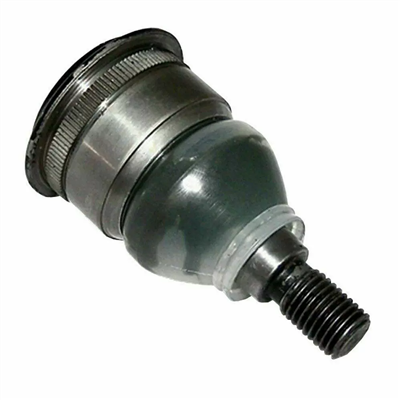
As a leading supplier of lower ball joints, we take pride in offering high-quality products that meet or exceed industry standards. Our ball joints are manufactured using the latest technology and the finest materials, ensuring durability, reliability, and optimal performance. Here are some reasons why you should choose our lower ball joints:
- Quality Assurance: We have a strict quality control system in place to ensure that every ball joint we produce meets the highest standards of quality. Our products undergo rigorous testing and inspection before they are shipped to our customers, ensuring that they are free from defects and perform as expected.
- Wide Range of Applications: We offer a wide range of lower ball joints to fit various makes and models of vehicles. Whether you’re looking for a ball joint for a passenger car, a truck, or an SUV, we have the right product for you.
- Competitive Pricing: We understand the importance of offering competitive pricing without compromising on quality. That’s why we strive to keep our prices affordable while still providing high-quality products and excellent customer service.
- Expert Support: Our team of experienced professionals is always ready to provide you with expert advice and support. Whether you have questions about our products, installation, or maintenance, we’re here to help.
Conclusion
Sway Bar Ball Joint Maintaining the health of your vehicle’s lower ball joints is crucial for safe and smooth driving. By being aware of the signs of a worn-out ball joint and taking proactive measures to address any issues, you can prevent costly repairs and ensure the longevity of your vehicle. If you suspect that your lower ball joints may need replacement, don’t hesitate to contact us. We’re here to provide you with the high-quality products and expert support you need to keep your vehicle running at its best. Contact us today to discuss your lower ball joint needs and learn more about our products.
References
- Chilton’s Repair Manuals
- Haynes Automotive Repair Manuals
- Automotive Engineering textbooks (e.g., "Automotive Chassis System" by A. C. Kadolph)
Taizhou Huazhe Auto Parts Co., Ltd.
As one of the most professional lower ball joint manufacturers and suppliers in China, we’re featured by quality products and low price. Please rest assured to buy bulk high-grade lower ball joint in stock here from our factory. For pricelist, contact us now.
Address: No. 2828, Binkang Avenue, Sanjia Street, Taizhou Bay New Area, Taizhou City, Zhejiang Province
E-mail: 19906762800@163.com
WebSite: https://www.huazheindustry.com/
