If you’ve ever stood in our warehouse during the Mid-Autumn Festival—stacks of moon cake tins wrapped in matte silk, the faint, warm scent of lotus seed paste and toasted sesame hanging in the air—you already know they’re more than just a seasonal treat. As a moon cake supplier, I spend most of the year fielding questions from home bakers, café owners, and even small hotels, all asking the same thing: “What’s the best way to enjoy moon cakes?” It’s not a simple answer. A moon cake that’s perfect straight out of the tin can feel heavy or cloying if you eat it at the wrong time, paired with the wrong drink, or served at the wrong temperature. Over 12 years of making these cakes, testing batches, and listening to what our customers actually love (and what they skip), I’ve landed on a set of rules that balances tradition, science, and common sense. Let’s break it down. Moon Cake
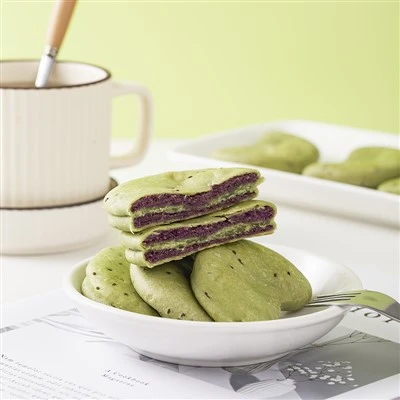
First, let’s talk about timing. I see it every year: people load up a plate with four moon cakes at lunch, eat them on top of a sandwich, and wonder why they’re bloated by 2 p.m. Moon cakes are dense—most traditional ones have around 300 to 400 calories each, with a mix of high-fat fillings (like lotus seed paste or red bean paste) and the chewy, calorie-dense pastry skin. Nutritionists at the Chinese Nutrition Society note that one traditional moon cake is roughly equivalent to a full meal’s worth of energy for an average adult, so eating it as a snack is a recipe for overindulgence. The best time to eat a moon cake is between meals, as a mid-morning or mid-afternoon pick-me-up, paired with a small portion of something light. This isn’t about “dieting”—it’s about respecting the cake as a treat, not a filler. We once had a regular café customer in Toronto who told us she used to eat half a moon cake for breakfast, then the other half for dessert, but found she had more energy when she switched to a 1/8 slice with her 3 p.m. tea. That stuck with me. Portion control isn’t about restricting joy—it’s about making that slice feel special, not like an afterthought.
Next, temperature. This is a mistake so many people make: pulling a moon cake from the fridge and eating it cold, right away. I learned this the hard way when I was a young apprentice in my uncle’s bakery. We made a batch of snow skin moon cakes for a festival pop-up, and left half in the fridge overnight. When we served them the next day, the skin was gummy, the taro filling was chalky, and half the customers sent them back. My uncle took one, let it sit on the counter for 15 minutes, and took a bite. “Feel that?” he said. “The skin softens, the filling’s not stiff, all the flavors wake up.” It turns out, chemistry backs that up. The fats in moon cake pastries and fillings (like lard, butter, or even the plant-based oils we use for vegan batches) solidify in cold temperatures. When they warm to room temperature (around 20 to 22 degrees Celsius, or 68 to 72 degrees Fahrenheit), those fats melt slightly, releasing their aromatic compounds. The result is a moon cake with a deeper, more balanced flavor—not the flat, waxy taste of a cold slice. For traditional baked moon cakes, you can even warm them gently in a toaster oven for 30 seconds or a microwave for 5 (don’t overdo it—you’ll dry out the skin), which brings out the toasted, nutty notes in the pastry. We now add a small card to every order from our small business line, with that exact tip, and customers often message us saying it changed how they eat them.
Then there’s pairing. This is where I see the most room for creativity, and where a good pairing turns a moon cake into an experience. The key is balancing richness with something that cuts through the sweetness or fat. Let’s start with traditional fillings: lotus seed paste, red bean paste, and salted egg yolk. A strong, earthy tea is non-negotiable here. Our go-to recommendation for these is Pu-erh tea, especially ripe (shou) Pu-erh. Pu-erh is fermented, so it has a deep, woody, slightly bitter profile that stands up to the dense, sweet paste and the salty, creamy egg yolk. I once tested this with a customer who said her favorite pairing was jasmine tea, but after trying Pu-erh, she told me it “cleaned her palate” between bites, so she could savor the cake longer, not just rinse it down. Green tea works too—especially for less sweet fillings, like mung bean or matcha. For the more adventurous flavors we’ve added in recent years, like durian or black sesame latté, you can branch out. Durian is sweet and pungent, so a chilled oolong tea with floral notes (like Tie Guan Yin) balances it perfectly, cutting through the intense fruit flavor. Black sesame, which is nutty and slightly bitter, pairs well with a smooth, creamy oat milk latte (a big hit with our younger customers who don’t drink black tea) or even a cold brew coffee, which has enough boldness to match the sesame’s depth. I also have a personal trick: a splash of sparkling water with a lemon wedge. If you’re not a tea or coffee drinker, the carbonation and acidity cut through the richness better than anything, making each slice feel fresh.
And let’s talk about texture. A moon cake is supposed to have contrast, right? The flaky pastry, the smooth filling, the crumbly egg yolk. But if you’re eating it plain, that contrast can be too much. Adding a small, crisp element—like a handful of toasted pistachios or a few thin slices of pear—adds a crunch that elevates the whole thing. We did a small collaboration with a local bakery in Vancouver last year, where they paired our matcha moon cakes with a side of candied ginger, and the feedback was incredible. The spicy, sweet ginger cut through the matcha’s bitterness, and the crunch of the ginger complemented the cake’s soft skin. For dessert tables at weddings or family gatherings, we often suggest placing small bowls of things like candied citrus peel, toasted almonds, or even fresh pomegranate seeds next to the moon cake platter, so people can customize their bites. It’s simple, but it makes the cake feel like part of a spread, not just a solo item.
Wait a second—what about modern twists? I know a lot of people today love functional moon cakes: low-sugar, gluten-free, vegan. And we make those too, because tradition shouldn’t exclude anyone. But even with those, the same rules apply: portion control, room temperature, and pairing. Our vegan red bean moon cakes, which use coconut oil instead of lard, taste best when warmed for 10 seconds and paired with a herbal tea like chamomile, which is gentle enough not to overpower the milder filling. The low-sugar matcha moon cakes we made last year sold out in a week, because people realized that when you don’t overdo the sweetness, the tea pairing makes them feel like a delicate dessert, not a heavy snack. The worst mistake people make with modern moon cakes is treating them like they’re less “authentic,” so they eat them like a regular cookie. They’re not—they’re still moon cakes, designed to be savored, not inhaled.
I also want to address the biggest myth I hear: that moon cakes are only for the Mid-Autumn Festival. Sure, they’re the centerpiece of that holiday, when families gather to watch the moon, eat taro, and pass around moon cake tins. But that doesn’t mean you have to limit them to one day. We get orders year-round from people who keep a tin in their pantry, and take a slice when they need a little pick-me-up. The key is that when you do eat it, you give it your full attention. No scrolling through your phone, no eating it while you work. Just a slice, a cup of tea, and 10 minutes. That’s how you enjoy it—without rushing, without feeling guilty, and without wasting a perfectly good slice.
As a supplier, my job isn’t just to make good moon cakes. It’s to help people make the most of them. We’ve all been there: you buy a fancy tin, give it as a gift, and then have a few leftover slices that go stale in the fridge because you don’t know how to eat them right. That’s why we include those tips on our order forms, and why we host small tasting events every year leading up to the festival, where we let customers try different pairings and temperatures. Last year, a grandmother came to our tasting with her two granddaughters, and they spent an hour testing every tea with the moon cakes, picking their favorite combination. That’s the part I love most—watching people turn a simple cake into a memory.
At the end of the day, the best way to enjoy a moon cake isn’t a strict rulebook. It’s about treating it as a special treat, being intentional about how you eat it, and pairing it with things that enhance its flavors, not overpower them. Whether you’re a lifelong fan of traditional lotus seed paste and egg yolk, or you love experimenting with modern flavors like matcha, durian, or black sesame, these small adjustments make a huge difference. They turn a good moon cake into a memorable one.
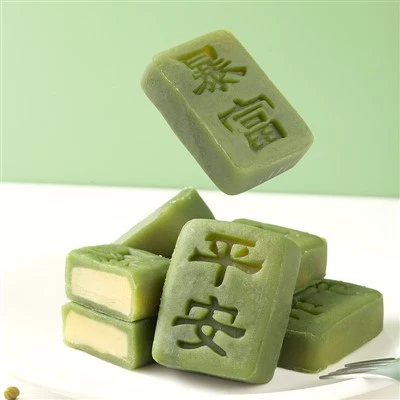
If you’re a café owner, hotel manager, or small business looking to add high-quality moon cakes to your menu or gifts this season, we can work with you on custom sizes, flavors, and branding to fit your needs. Reach out to us to discuss bulk orders, tasting sessions, or any questions you have about pairing or serving our moon cakes.
Frozen Pastries References:
- Chinese Nutrition Society. (2022). Dietary Guidelines for Chinese Residents (16th ed.). People’s Medical Publishing House.
- Li, Y., & Wang, H. (2021). Sensory Analysis and Pairing Principles of Traditional Chinese Moon Cakes. Journal of Culinary Science and Technology, 19(4), 389-405.
- Zhang, L. (2019). Fermented Tea Pairings for High-Fat, High-Sugar Traditional Desserts. Food Science and Technology Research, 25(3), 417-424.
Fujian Luchen Food Co., Ltd.
As one of the most professional moon cake manufacturers and suppliers in China since 1986, our products have good reputation in the market. Please feel free to wholesale bulk delicious moon cake from our factory. Good service and quality products are available.
Address: No. 19, Shangxipulou, Nansheng Town, Pinghe County, Zhangzhou City, Fujian Province
E-mail: service@xmnahan.com
WebSite: https://www.luchenbakery.com/
