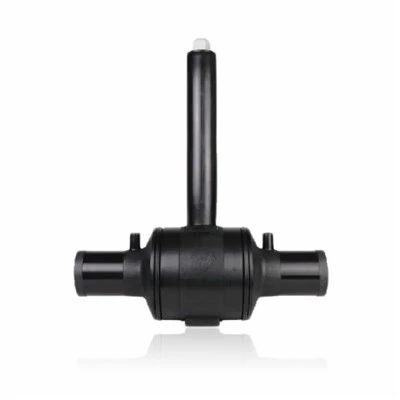
If you work in the water, gas, or industrial piping industry, you know electrofusion fittings are the unsung heroes of reliable pipeline systems. They create seamless, leak-proof joints that hold up under pressure, temperature swings, and heavy daily use—but even the best fittings fail prematurely if they’re not handled, installed, or maintained properly. As an electrofusion fittings supplier who’s worked directly with plumbers, pipeline engineers, and facility managers for over 12 years, I’ve seen firsthand how small, avoidable missteps cut a fitting’s lifespan in half. Today, I want to share the actionable, field-proven strategies we teach every client to boost durability, backed by real-world results and decades of industry know-how. Electrofusion Fittings
Start With the Foundation: Choosing the Right Fitting for the Job
Durability doesn’t start at installation—it starts long before that, when you pick your fitting. I can’t tell you how many times I’ve heard, “I just grabbed the cheapest electrofusion tee off the shelf and hoped for the best.” That’s a mistake. Not all fittings are created equal, and mismatching your fitting to the application is the single biggest cause of premature failure.
Let’s break this down. First, material science matters. Most electrofusion fittings are made from polyethylene (PE), but not all PE grades perform the same. For example, PE 100 is the gold standard for most municipal water and gas lines because it has a higher stress crack resistance and can handle higher pressure and temperature ranges than older PE 80 grades. If you’re working with a pipeline that will carry hot water (like industrial process lines or district heating) or operate in freezing climates, you need a fitting made from PE 100-RC, which is specifically formulated for slow crack growth and extreme conditions. Grab a PE 80 fitting for that hot water line, and within five years you’ll be dealing with a stress crack leak.
Then there’s size and pressure rating. It’s tempting to size down a fitting to save a few dollars, but a 6-inch fitting rated for 10 bar can’t handle the same load as a 6-inch fitting rated for 16 bar. Always match the fitting’s pressure class to the maximum operating pressure of your pipeline, plus a safety margin for transient pressure spikes (the sudden pressure surges that happen when you open a valve quickly). I’ve also seen fittings fail because they were designed for buried outdoor use and installed indoors, where they were exposed to abrasion from adjacent pipes or chemicals from cleaning agents. Make sure you check the fitting’s intended application label—we print that clearly on every product we ship, and any reputable supplier should do the same.
Proper Handling and Storage: Don’t Ruin Your Fittings Before They’re Installed
I used to work with a team of field techs who would toss fittings into the back of a work truck, leave them out in the sun all summer, or stack heavy equipment on them during a job. It took us a while to figure out that 20% of the premature joint failures we were seeing were caused by damaged fittings, not bad installation. Electro fusion fittings have thin, precision-machined heating elements inside, and even minor damage can weaken their ability to create a strong joint.
Here’s what we teach now. First, store fittings in a cool, dry place away from direct sunlight. UV radiation breaks down polyethylene over time, causing it to become brittle and prone to cracking. If you have to store fittings outdoors, use a UV-resistant cover and keep them off the ground to avoid moisture buildup. Second, never drop or stack heavy items on fittings—even a 2-foot drop can crack the outer housing or damage the internal heating element. And always inspect every fitting before you install it. Run your hand along the outer surface to check for cracks, dents, or scratches, and make sure the heating element wires aren’t loose or bent. We had a client last year who saved $50 on a pallet of discounted fittings and ended up replacing three joints in a residential water line within two years because of hidden heating element damage. It’s never worth skipping this step.
Precision Installation: The Most Critical Factor for Longevity
If I had to pick one thing that makes or breaks electrofusion fitting durability, it’s installation. I’ve seen two identical fittings installed by two different plumbers: one lasts 20 years, the other leaks within 12 months. The difference is precision. Electrofusion works by passing an electric current through a resistive element inside the fitting, melting the inner wall of the fitting and the outer wall of the pipe to create a monolithic joint. If any step of this process is off, the joint won’t bond properly.
Let’s walk through the steps we prioritize with every installation. First, preparation of the pipe and fitting. You have to clean and square the pipe end, and that means removing all dirt, grease, oxidation, and residual pipe marking. A lot of techs use sandpaper to clean PE pipe, but we recommend using a custom pipe scrapper that creates a uniform, smooth inner surface. If you leave oxidation on the pipe, it will create a barrier that stops the melted material from bonding. The pipe end also has to be cut perfectly square—even a 2-degree angle can create a gap between the pipe and fitting that leads to weak spots. We always use a ratchet pipe cutter for square cuts, not a handsaw, which leaves uneven edges.
Next, alignment. The pipe and fitting have to be perfectly centered in the electrofusion machine. If they’re off by even a millimeter, the heating element will melt one side too much and the other not enough. Most modern electrofusion machines have built-in alignment guides, but we still mark the pipe with a pen to make sure it’s inserted the full depth of the fitting and lined up straight.
Then comes the electrofusion cycle itself. This is not a “set it and forget it” process. You have to follow the exact voltage, time, and pressure settings for your specific fitting size and pipe material. Too much voltage overheats the material, causes it to deform, and creates voids in the joint. Too little voltage means the material never fully melts, leading to a weak bond. We always program our electrofusion machines with the settings from the fitting’s label—each fitting has a unique cycle based on its size, and cutting corners here is a common mistake. After the cycle is done, you have to let the joint cool completely before moving it or putting pressure on it. Rushing this step can cause the molten material to shift, creating leaks. We tell our clients to wait at least 10 minutes per inch of pipe diameter, even if the machine beeps and says the cycle is done.
Post-Installation Care: Protecting the Joint for Years to Come
A lot of people think once the joint is cool and pressure-tested, the work is done—but post-installation care is still key to extending durability. First, pressure testing should be done correctly, not rushed. We always recommend hydrostatic testing, which applies gradual pressure to check for leaks, instead of a sudden spike that can damage the uncooled joint. Test at 1.5 times the maximum operating pressure, and hold it for at least two hours—any drop in pressure means a leak that needs to be fixed before the pipeline goes into service.
Then there’s the matter of external protection. For buried pipelines, make sure the area around the joint is backfilled with sand or fine gravel, not sharp rocks that can abrade the fitting’s outer housing. If the fitting is exposed to chemicals (like in industrial applications), use a protective coating that’s compatible with PE to prevent corrosion or chemical degradation. For above-ground piping, insulate fittings in cold climates to prevent freezing and thawing cycles that can stress the joint. We had a municipal client last year who lost three electrofusion fittings in a northern climate because they didn’t insulate above-ground joints; the water inside expanded, cracking the fitting within one winter.
Regular maintenance also goes a long way. Even if your pipeline is underground, you can do periodic checks for leaks by listening with acoustic leak detectors, or monitoring pressure levels for unexpected drops. For above-ground pipelines, do visual inspections twice a year to look for cracks, dents, or discoloration on fittings. Catching small issues early can save you from costly, large-scale repairs down the line.
What We’ve Learned From 12 Years in the Business
Over the years, we’ve worked with hundreds of clients, from small residential plumbing companies to large municipal utilities, and the common thread among projects where electrofusion fittings lasted their full 50-year design life is that they followed these steps. We had a client in Texas who installed a 12-inch gas pipeline using our PE 100-RC fittings in 2008; when we checked in last year, they hadn’t had a single leak in that section, which runs through a desert climate with extreme temperature swings. They told us they strictly followed our installation guidelines, took care to store fittings properly, and did annual pressure tests. On the flip side, a construction company that cut corners on sizing and installation had to replace 15 joints in a commercial water line within three years.

The truth is, electrofusion fittings are built to last, but they’re only as durable as the way you use them. As a supplier, our job isn’t just to sell you fittings—it’s to make sure they perform for as long as possible. That’s why we provide free installation guides, on-site training for large clients, and 24/7 support if you have questions about a project.
Hot Melt Pipe Fittings If you’re working on a pipeline project and want to make sure your electrofusion fittings stand the test of time, we’re here to help. Whether you need help selecting the right fitting, clarification on installation steps, or bulk orders for a large project, our team has the experience to guide you every step of the way. Get in touch with our team of experts to discuss your specific needs and find the right solutions for your project.
References
- Polyethylene Electrofusion Fittings: Material Properties and Installation Best Practices. Plastics Pipe Institute, 2021.
- Field Evaluation of Electrofusion Joint Durability in Municipal Water Pipelines. Journal of Pipeline Systems Engineering and Practice, Vol. 12, No. 3, 2021.
- UV Degradation of Polyethylene Pipe and Fittings: Storage and Handling Guidelines. International Society of Plastics Engineers, 2019.
- Transient Pressure Effects on Electrofusion Joint Integrity. Pipeline Engineering and Construction Conference Proceedings, 2020.
Yuyao Aoshi Hydraulic Components Manufacturing Co., Ltd.
As one of the most professional electrofusion fittings manufacturers and suppliers in China, we’re featured by quality products and good service. Please rest assured to wholesale electrofusion fittings in stock here and get quotation from our factory. Customized orders are welcome.
Address: Huilong village, Zhangting town, Yuyao city, Zhejiang province, China.
E-mail: renxuwei@vip.163.com
WebSite: https://www.jintongtrading.com/
