Hey there, it’s Mia from your go-to fashion apparel fabric supplier, and let’s be real—stains on fabrics are the ultimate mood killer. You’re mid-day, wearing that perfect piece you spent hours picking out, and bam—coffee, red wine, that random grass stain from a walk, or even worse, a greasy food splatter hits. I’ve had so many customers hit me up panicking, asking how to save their favorite garments without ruining the fabric we spent so much time curating. Fashion Apparel Fabric
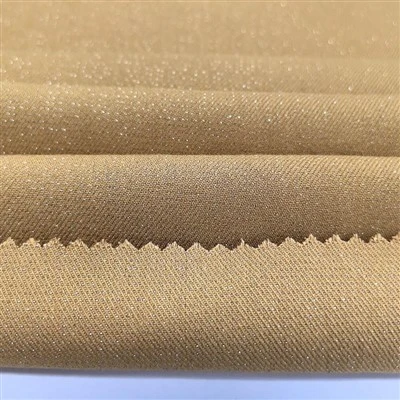
The thing is, there’s no one-size-fits-all trick here. Different fabrics act totally different—what works on our durable cotton twill might melt our delicate silk charmeuse. And don’t even get me started on over-the-counter stain removers that can leave a weird ring or eat away at the fabric’s finish. After years of working with every kind of fabric under the sun, I’ve put together a no-BS guide that’s actually science-backed, not just the hack my cousin tried last week. Let’s dive in.
First off, the most important rule—catch that stain fast. I know, I know, you’re busy, but setting a stain lets it bond deeper with the fabric fibers, making it way harder to get out. If you can, blot (don’t rub!) the stain right away with a clean, dry cloth or paper towel. Rubbing just pushes the stain further into the fabric and can fray delicate threads, which is the last thing we want for our high-quality fabrics. Blotting lifts the surface gunk without messing with the fibers underneath.
Next up, figure out what fabric you’re dealing with. That’s the make-or-break step. Let’s break down the most common fabrics we supply, since that’s what most of our customers are working with.
Cotton and cotton blends—this is the workhorse of our collection, super durable and pretty forgiving for stains. Grease or oil stains (think from cooking or a fast food slip) are the most common here. Skip the harsh bleach first, that can yellow cotton over time. Instead, grab some dish soap (the original blue Dawn works like magic, trust me) and a little warm water. Mix a drop of soap with a cup of warm (not hot—hot water sets oil stains!) water, dab it on the stain with a soft brush or cloth, let it sit for 5-10 minutes, then rinse with cold water and wash as usual. For coffee or red wine stains on cotton, hydrogen peroxide (3% solution, the kind you get at the drugstore) mixed with a tiny bit of baking soda works. Test it on a hidden spot first, just in case, then apply, let sit, rinse, and wash.
Polyester and polyester blends—super common for activewear, outerwear, and structured pieces. These are pretty stain-resistant but can hold onto oil if you’re not careful. For oil stains, rubbing alcohol is your BFF here. Dab a little on the stain, wait a minute, then blot it up. The alcohol breaks down the oil without messing with the polyester’s synthetic fibers. For grass stains, which are super frustrating on polyester workout gear, use an enzyme-based laundry detergent. Enzymes break down the proteins in grass, and they’re gentle enough for polyester, no weird fading. Just make sure to use cold water—hot can set grass stains, too.
Now, the tricky ones—delicate fabrics like silk, rayon, and linen. These need extra care, no shortcuts here. Silk is so soft and luxe, but it stains easily and can discolor if you use the wrong products. For a water-based stain (like juice or coffee) on silk, mix a tiny amount of gentle, pH-neutral soap (the kind meant for hand-washing delicates—avoid anything with bleach or enzymes!) with cool water. Blot, don’t scrub, and don’t let the soap sit for more than 2 minutes. For oil-based stains on silk, you’ll want something more gentle than rubbing alcohol. Cornstarch is perfect here—sprinkle a thin layer over the stain, let it sit for 15-20 minutes (it absorbs the oil), then brush it off gently with a soft toothbrush. I can’t stress enough—no hot water, no harsh chemicals on silk, it’ll ruin that silky sheen.
Rayon is similar to silk but a little sturdier, though it still needs gentle handling. Water stains like soda can be blotted with cold water and a mild soap. For oil stains on rayon, talcum powder works as well as cornstarch—sprinkle, let sit, brush off, then gently dab with a little soapy water. Linen is more durable than silk or rayon, but it wrinkles like crazy and can fade if not handled right. Wine stains on linen: mix equal parts hydrogen peroxide and water, dab on, let sit for a few minutes, rinse immediately. For grease on linen, a little dish soap and cold water, then wash on a delicate cycle.
Wait, what about those weird random stains—like makeup, ink, or blood? Let’s tackle those too. Makeup stains (foundation, lipstick) are super common, especially on cotton and polyester. For lipstick, grab rubbing alcohol or makeup remover (oil-based works best here, since lipstick is oil-based). Dab it on, blot, then wash. For foundation, a little dish soap mixed with water, same as oil stains. Ink stains are the worst, especially on white fabrics. If it’s a cotton or polyester blend, rubbing alcohol works, but test first. For delicate fabrics, ink is almost impossible to get out, so your best bet is to take it to a professional dry cleaner instead of ruining the whole garment. Blood stains—super common, especially on workout gear or linen. Always use cold water, never hot, heat sets blood proteins instantly. For fresh blood, soak the stain in cold water for 30 minutes, then use an enzyme detergent. For old blood stains, a little hydrogen peroxide (again, test first) works on cotton, but skip it on delicate fabrics.
A quick pro tip from the fabric supply side: always check the care label! I know, I know, half the time we throw those labels away, but they’re there for a reason. If a fabric says dry clean only, don’t try to wash it at home—even if you think you can get the stain out, you might end up with a shrunken, discolored mess. Also, test any stain remover on a hidden spot first—like the inside seam or under the collar—just to make sure it doesn’t cause fading or discoloration. That’s a mistake I see way too many customers make, and I’d hate for that to happen to anyone.
Another big thing I’ve noticed working with fashion apparel fabrics: over-washing can actually make stains harder to remove, and it wears out the fabric faster. If you only have a small stain, try treating it before throwing the whole garment in the wash. Constant washing fades prints, breaks down fibers, and even changes the way the fabric drapes—something we spend so much time perfecting for our customers.
Wait, what about old, set-in stains? Let’s be real, we all have that one garment with a stain we’ve been meaning to get out for months. Set-in stains are way trickier, and the method depends on the fabric. For cotton, a paste made of baking soda and hydrogen peroxide works great. Mix them into a thick paste, apply to the stain, let sit overnight, then wash. For polyester, soak the garment in a bucket of warm water (again, not hot!) with a cup of white vinegar for an hour before treating the stain—vinegar helps break down set-in oils and proteins. For delicate fabrics, set-in stains are almost impossible to fix at home, so professional cleaning is your best bet. I always tell our customers that if it’s a really expensive, delicate piece, don’t risk it—pay a little to a pro instead of ruining the whole thing.
I get that when you’re dealing with fashion apparel fabrics, the last thing you want is to ruin a piece you love, especially when you’ve sourced high-quality fabric that’s supposed to last. That’s why we’re so careful to share these practical, fabric-specific tips—we don’t just sell fabric, we want you to enjoy it for as long as possible.
If you’re working on a new fashion line and need durable, stain-resistant fabrics that are easy to care for, or if you just need help with a specific stain on one of our fabrics, I’m here to help. We work with designers, small brands, and even individual creators, so no job is too big or too small. We curate every fabric to balance style and functionality, because we know great fashion isn’t just about looking good—it’s about holding up through the everyday messes.

Whether you’re tackling a last-minute stain on a custom garment you made, or you’re sourcing bulk fabric for your next collection, don’t hesitate to reach out. We’re always happy to give personalized advice, whether it’s about stain removal or picking the right fabric for your design. Don’t let a stain stress you out—with the right info, you can save your favorite pieces and keep your fashion looking fresh.
Fashion Apparel Fabric References
- The Textile Institute. (2021). Stain Removal: Principles and Practice for Textile Fabrics. Textile Progress, 53(3), 121-156.
- American Cleaning Institute. (2022). Safe Stain Removal for Common Apparel Fabrics. ACI Household Cleaning Guidelines, 1-18.
- Smith, L. (2020). Delicate Fabrics: Care and Stain Treatment for Silk, Rayon, and Linen. Journal of Fashion and Textile Care, 8(2), 45-52.
- DuPont Teijin Films. (2019). Polyester Fabric Stain Resistance: Science Behind Performance. Technical Bulletin, 1-12.
- European Laundry Association. (2023). Best Practices for Stain Removal on Cotton Blends. Laundry Technology Review, 15(1), 33-40.
Hangzhou Kangsheng Textile Co., Ltd.
Hangzhou Kangsheng Textile Co., Ltd. is one of the most professional fashion apparel fabric manufacturers and suppliers in China. We have world-leading production equipment and strong manufacturing capabilities. Please rest assured to wholesale bulk high quality fashion apparel fabric from our factory. Also, custom service is available.
Address: 22# Building, K7 Original park,No.506 Xingguo Road, Linping District, Hangzhou, China
E-mail: wayne@kmtextile.net
WebSite: https://www.kangshengtextile.com/
