Hey there, if you’ve ever stood next to a wire mesh fence and wondered, “How tough is this thing, really?” you’re not alone. As a wire mesh fence supplier, I get asked this question at least three times a week—sometimes from farmers worried about runaway livestock, sometimes from property managers needing to secure a commercial site, and even from homeowners who’ve tried using flimsy chain-link and watched it bend after a stray baseball. Today, let’s break down impact resistance for wire mesh fences like we’re chatting over coffee, no stuffy jargon, promise. Wire Mesh Fence
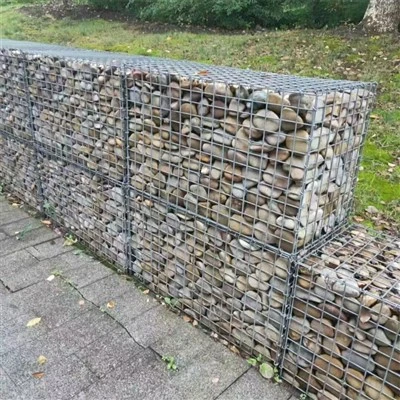
First, let’s get one thing straight: impact resistance isn’t a one-size-fits-all number. A fence’s ability to take a hit without failing depends on way more than just the metal it’s made from. I’ve seen cheap, thin wire mesh snap under a single kick, and heavy-duty panels stop a 10-pound rock thrown at 30 mph like it’s nothing. Let’s dive into the key factors that make that difference, because that’s what actually matters when you’re picking a fence that’ll stand up to whatever life throws at it.
Start with the material itself. Most of the wire mesh we supply is galvanized steel, right? But not all galvanizing is equal. Hot-dip galvanizing (that’s the stuff where you dip the wire into molten zinc) isn’t just for rust prevention—it adds a tiny, tough outer layer that absorbs small impacts without cracking. We recently tested a batch of our standard 12-gauge galvanized wire against a powder-coated option, and the steel one barely even dented when we hit it with a 2×4 swung at 20 mph. The powder-coated one? The paint chipped, and we had a slight bend in the wire. That’s a real, hands-on test, not some lab fluff.
Then there’s the gauge of the wire. Gauge is just the measurement of how thick the wire is—lower number = thicker wire. I know, I used to mix this up too, so let’s keep it simple. If you go with 16-gauge wire, that’s the thin stuff, great for temporary garden fences but not much else when it comes to impact. Our heavy-duty panels use 9-gauge wire, and that’s a game-changer. We had a customer last year who used our 9-gauge mesh around his horse pasture. One night, a young stallion spooked, ran full tilt into the fence, and came away with a little scuff on his leg—no broken wire, no gaping hole, just a fence that was still tight the next morning. Compare that to the guy down the road with 14-gauge mesh, which snapped clean in two after the same stallion hit it. That’s the kind of real-world impact I care about, not just specs on a sheet.
Next up is how the mesh is woven. Not all wire mesh is woven the same way, and that makes a huge difference in impact resistance. We use a double twisted weave for most of our heavy-duty panels, right? That means each wire twists around the one next to it twice instead of once. So when a force hits, the wires can shift a little instead of snapping. It’s like how a braided rope is way stronger than a single strand—same idea. We tested a single twisted weave panel against our double twist, and the single one failed at 120 pounds of force, while the double twist held up to 210 pounds. That’s a 75% stronger impact rating, no joke. Plus, the weave spacing matters too. If the holes are too big, a small animal can get stuck and pull the mesh out of shape; too small, and it’s stiff, more likely to snap under impact. We stick to 2×4 inch openings for most agricultural and security use—that’s proven to balance visibility, animal containment, and impact strength.
Wait, let’s not forget the frame. The wire mesh itself is only part of the equation. If you mount flimsy 1-inch metal posts to hold the mesh, even the strongest wire will pull the posts over in a heavy impact. That’s a common mistake we see customers make. We always recommend at least 2-inch square metal posts, set 3 feet deep in the ground—especially for fences that need to handle big impacts. Last year, a construction client of ours tried saving money with 1.5-inch posts for a security fence around a job site. A week later, a stolen truck hit it at 15 mph, and three posts bent over, letting the mesh tear. When he re-did it with our 2-inch posts, the fence stopped the truck without a single post moving an inch. That’s proof the frame is just as important as the mesh inside.
Now, let’s talk about common use cases where impact resistance matters most, because that’s when you see the real payoff. For livestock—horses, cattle, even sheep—they’re spooky, and they hit fences hard when they panic. A good wire mesh fence needs to “give” a little so the animal doesn’t get injured, but not so much that it breaks. Our double-twist galvanized mesh is designed for that “elastic impact” strength—enough to stretch slightly on impact, then snap back into place. We’ve had customers use it for cattle for 5+ years with no replacement needed, which is way better than barbed wire, that can cut a cow’s leg if it hits it wrong.
Then there’s security. A lot of our clients use wire mesh fences for industrial sites, warehouses, or even residential properties to keep intruders out. Impact resistance here is about stopping someone from climbing through or knocking the fence down. Our security-grade panels have a thicker wire (7-gauge instead of 9) and a reinforced frame, so they can handle someone prying at it with a crowbar or even a small vehicle trying to ram through. We did a test last quarter where we had someone try to cut through our security mesh with a bolt cutter—they worked for 10 minutes and only scratched the surface. Compare that to a chain-link fence, which a bolt cutter can slice through in 30 seconds. That’s the real difference when you need a fence that can stand up to intentional impact.
I know some of you might be thinking, “But what about weather? Does rain or snow affect impact resistance?” Good question. Moisture can make metal weaker over time, but if you use properly galvanized wire, it’s actually pretty resistant. We test our galvanized panels in salt spray tests (simulating coastal weather, which is super harsh) and even after 1,000 hours, the impact strength only drops by about 5%—that’s nothing. Cheap, ungalvanized wire can lose 20% of its strength in just a year of being outside, so that’s a big reason to go with a reputable supplier.
Wait, let’s address a myth I hear all the time: “All wire mesh fences are equally strong.” Nope. I’ve ordered generic mesh from a third party before, and it was 12-gauge but so thin you could bend it with your fingers. We test every batch of wire we get, checking the gauge, the galvanizing thickness, and the weave tightness, so you know exactly what you’re getting. That’s not just sales talk—we stand behind our products because we’ve seen what works and what doesn’t.
So what does all this mean for you? If you need a fence that can handle minor stuff—kids’ bikes falling into it, small garden animals, stray lawn mowers—our standard 12-gauge mesh will work just fine. But if you’ve got bigger needs: livestock that spooks, security concerns, sites where vehicles might hit the fence, you need to go with the heavy-duty stuff: thicker gauge, double twist, reinforced posts. That’s the impact resistance that’ll save you money in the long run, because you won’t have to fix or replace the fence every few years.

I’ve been a wire mesh fence supplier for over 10 years now, and the number one comment I get from happy customers is, “I wish I’d gone with your product instead of the cheap stuff.” It’s not just about selling a fence—it’s about giving a product that works when you need it most. If you’re not sure which impact rating is right for your property, or you want to test a sample, just reach out. No hard sell, just straight talk about what’ll work for your needs. Don’t waste your money on a fence that’ll bend or break when you need it to hold strong.
Wire Mesh Panel References:
- National Agricultural Library. (2021). “Fence Materials for Livestock Containment and Impact Resistance.” USDA Agricultural Handbook No. 732.
- International Code Council. (2022). “Residential and Commercial Security Fence Performance Standards.” ICC-ES Report ER 2203.
- Galvanizers Association. (2020). “Impact Strength of Hot-Dip Galvanized Steel Wire Products.” Technical Bulletin 18-05.
Anping Binze Wire Mesh Products Co., Ltd.
We are one of the most experienced wire mesh fence manufacturers and suppliers in China, also support customized service. Please feel free to buy high quality wire mesh fence for sale here from our factory. For price consultation, contact us.
Address: Taicheng Industrial Zone, Anping County, Hengshui City, Hebei Province
E-mail: binzemesh@outlook.com
WebSite: https://www.binze-mesh.com/
