Yo, folks! As a supplier of mop pads, I get asked a ton about what the absorbency of a mop pad really means. It’s not just some fancy term we throw around to make our products seem cooler. Absorbency is a super important factor when it comes to choosing the right mop pad for your cleaning needs. Mop Pad

Let’s start with the basics. Absorbency, in simple terms, is how much liquid a mop pad can soak up. It’s like a sponge. You know how some sponges can hold a whole bunch of water, and others just seem to let it all drip out? Well, mop pads work the same way. The better the absorbency, the more messes you can clean up in one go without having to constantly rinse the pad.
Now, why does absorbency matter so much? Think about all the different types of spills and messes you might encounter in your home or workplace. There are those little coffee spills on the kitchen counter, big puddles of water from a leaky faucet in the bathroom, and even sticky juice spills on the floor. A mop pad with high absorbency can handle all these types of messes efficiently. It soaks up the liquid quickly, preventing it from spreading and making the cleaning process a whole lot easier.
One of the main factors that affect the absorbency of a mop pad is the material it’s made of. We’ve got a few different options when it comes to materials, and each one has its own absorbency properties.
Cotton is a classic choice. It’s been used in mop pads for ages, and for good reason. Cotton fibers are natural and have a pretty decent absorbency rate. They can soak up a fair amount of liquid and hold onto it well. Plus, cotton is soft and gentle on most surfaces, so you don’t have to worry about scratching your floors. But the downside is that cotton can take a while to dry, which might lead to a musty smell if it’s not properly cared for.
Microfiber is another popular material. Microfiber mop pads are like little magic erasers. They’re made of really tiny synthetic fibers that can trap and hold a ton of liquid. Microfiber is great at attracting and capturing dirt and grime along with the liquid. It’s also quick – drying, which is a huge plus. You can use it, rinse it out, and it’ll be ready to go again in no time. And since it’s synthetic, it’s less likely to harbor bacteria and odors compared to cotton.
There are also some mop pads made from a blend of materials. These blends can combine the best properties of different fibers. For example, a blend of cotton and microfiber might give you the softness of cotton with the high absorbency and quick – drying features of microfiber.
But it’s not just the material that matters. The design of the mop pad also plays a big role in its absorbency. Some mop pads have a thick, fluffy texture. This texture gives the liquid more space to soak into the pad. It’s like having more nooks and crannies for the liquid to get trapped in. Other mop pads have a waffle or honeycomb pattern. These patterns help to channel the liquid through the pad, allowing it to be absorbed more evenly and efficiently.
Another thing to consider is the size of the mop pad. Generally, a larger mop pad has more surface area, which means it can absorb more liquid. But it’s not just about the size itself. The way the liquid spreads across the pad matters too. A well – designed large mop pad will be able to distribute the liquid evenly, maximizing its absorbency.
Now, as a mop pad supplier, I know that testing the absorbency of our products is crucial. We don’t just take our word for it. We conduct a bunch of tests to make sure that our mop pads meet our standards. One of the ways we test is by pouring a specific amount of liquid onto a dry mop pad and then weighing the pad before and after. The difference in weight tells us how much liquid the pad has absorbed.
We also look at how quickly the mop pad can absorb the liquid. A fast – absorbing pad is more efficient because it can clean up spills right away. We do this by timed tests, where we measure how long it takes for the pad to soak up a set amount of liquid.
So, if you’re in the market for a mop pad, here’s what you should keep in mind. First, think about the type of messes you’ll be cleaning up. If you deal with a lot of sticky, wet messes, a microfiber or a blended mop pad might be your best bet. If you’re just doing light cleaning and prefer a natural material, cotton could work well for you.
Second, check the design of the mop pad. Look for those patterns or textures that we talked about earlier. They can make a big difference in how well the pad absorbs liquid.
Finally, consider the size. If you have a large area to clean, a bigger mop pad might save you time and effort.
As a supplier, I’m always here to help you find the right mop pad for your needs. Whether you’re a homeowner looking to keep your place spotless or a business owner in charge of maintaining a large facility, we’ve got a range of mop pads with different absorbency levels to choose from.
If you’re interested in learning more about our products or want to discuss a potential purchase, don’t hesitate to reach out. We can arrange a sample for you to test out the absorbency of our mop pads for yourself. It’s always a good idea to see how a product performs before making a decision.
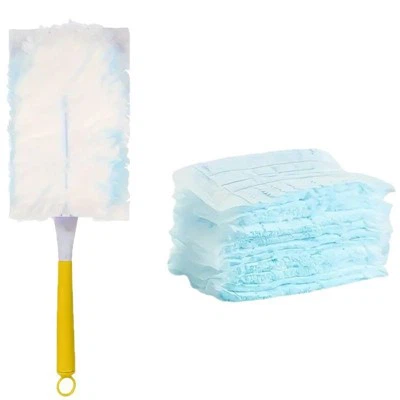
So, if you’re ready to take your cleaning game to the next level with a high – absorbency mop pad, drop us a line. Let’s have a chat and see which of our products is the perfect fit for you.
Microfiber Cleaning Cloth References
- Cleaning Product Testing Standards and Guidelines, Industry Report
- Material Science Research on Absorbency of Textiles
Shanghai Zhaotine Smart Home Company Limited
We’re well-known as one of the leading mop pad manufacturers and suppliers in China, specialized in providing high quality customized products. We warmly welcome you to wholesale bulk high quality mop pad made in China here from our factory.
Address: Huanjing town, luhe town, textile industrial zone, Jiangsu province, China
E-mail: doris@zhaotine.com
WebSite: https://www.clean-wow.com/
