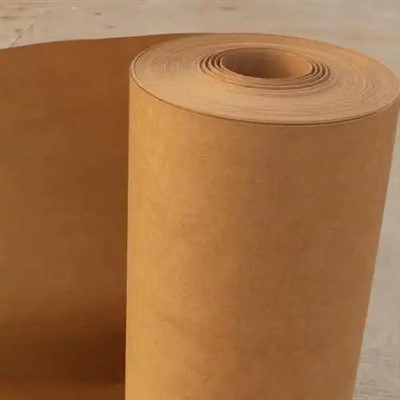
Hey there! I’m a supplier of Nutrient – based Degradable Mulch Film Paper. Over the years, I’ve gotten super interested in what makes this stuff break down. You know, understanding the factors that influence its degradation rate is crucial. It helps us make better products, and also gives our customers a clear idea of what to expect. So, let’s dig into the key factors that play a role in how fast our nutrient – based degradable mulch film paper breaks down. Nutrient-based Degradable Mulch Film Paper
1. Environmental Conditions
Temperature
Temperature is a biggie. Just like a lot of chemical and biological processes, the degradation of our mulch film paper speeds up with higher temperatures. In warmer climates, the enzymes and microorganisms that are responsible for breaking down the paper are more active. For example, in tropical regions where the average temperature can be around 25 – 30°C (77 – 86°F), the degradation process is way faster compared to cooler areas. In a study I read, they found that at 30°C, the mulch film paper started showing visible signs of degradation within a couple of weeks, while at 10°C, it took months.
Moisture
Moisture is another essential factor. Water acts as a medium for the chemical reactions that occur during degradation. When the soil is moist, it creates a perfect environment for microorganisms to thrive. They need water to transport nutrients and to carry out their metabolic processes. If the soil is too dry, the degradation process slows down significantly. I remember one time we supplied our product to a very arid region. The farmers were complaining that the mulch film paper wasn’t breaking down as fast as they expected. Once we suggested they add a bit more irrigation, the degradation rate improved quite a bit.
Oxygen Availability
Oxygen is necessary for aerobic decomposition, which is a major way our mulch film paper breaks down. In well – aerated soils, there are more aerobic microorganisms that can break down the paper components. In waterlogged or compacted soils, however, oxygen levels are low. This forces the decomposition to shift towards anaerobic processes, which are generally slower and can also produce some unpleasant by – products. So, when the soil has good oxygen circulation, our mulch film paper degrades at a more rapid pace.
2. Composition of the Mulch Film Paper
Nutrient Content
As a supplier, I know that the nutrient content in our mulch film paper can have a big impact on its degradation rate. The nutrients in the paper are not only useful for the plants but also for the soil microorganisms. Microbes need these nutrients to grow and function. Higher nutrient content, like nitrogen, phosphorus, and potassium, can actually stimulate the growth of these microorganisms and increase the degradation rate. We’ve designed our product to have an optimal nutrient balance so that it breaks down at the right time while still providing enough nutrients to the crops.
Polymer Type
The type of polymers used in the mulch film paper matters too. Different polymers have different chemical structures and properties, which influence their susceptibility to degradation. Some polymers are more easily broken down by enzymes and microorganisms than others. We use polymers that are known for their biodegradability and design our product to have a combination that gives a good balance between strength during the growing season and a reasonable degradation rate after use.
Additives
We sometimes add certain additives to our mulch film paper. These additives can either speed up or slow down the degradation rate. For example, some natural additives can act as attractants for beneficial soil microbes, increasing their activity and thus accelerating the degradation. On the other hand, some stabilizers might be added to give the paper more durability during the early stages of use. But we have to be careful with the amount and type of additives we use so that we achieve the right degradation rate.
3. Soil Properties
Soil pH
Soil pH can have a significant impact on the degradation of our mulch film paper. Most soil microorganisms work best in a slightly acidic to neutral pH range, around 6 – 7.5. If the soil is too acidic or too alkaline, it can affect the activity of these enzymes and microbes. For instance, in highly acidic soils, some of the enzymes responsible for breaking down the paper might be denatured, slowing down the degradation. We often recommend soil testing to our customers to make sure the pH is in the right range for optimal degradation.
Soil Texture
The texture of the soil also plays a role. In sandy soils, there is more pore space, which allows for better oxygen and water movement. This can enhance the degradation process as the microbes have easier access to the mulch film paper. In clayey soils, however, the particles are smaller and more tightly packed, which can limit the movement of water and oxygen. This can slow down the degradation of the mulch film paper.
Microbial Community
The types and numbers of microorganisms in the soil are crucial. Different soils have different microbial communities, and some are more efficient at breaking down organic materials than others. For example, soils rich in bacteria and fungi that are known for their ability to degrade cellulose and other components of our mulch film paper will have a faster degradation rate. We can’t control the natural microbial community in the soil, but we can suggest practices like adding compost or other organic matter that can enrich the soil with beneficial microbes.
4. Agricultural Practices
Tillage
Tillage is an important agricultural practice that can influence the degradation rate. When the soil is tilled, the mulch film paper gets mixed into the soil more thoroughly. This increases the contact between the paper and the soil microorganisms, which can speed up the degradation. On the other hand, no – till farming systems, where the soil is left undisturbed, may result in a slower degradation rate as the mulch film paper remains on the soil surface for a longer time, and the contact between the paper and the soil microbes is less.
Crop Type
The type of crop grown can also have an impact. Some crops have extensive root systems that can release certain substances into the soil. These substances can either stimulate or inhibit the growth of soil microorganisms. For example, legumes are known to fix nitrogen in the soil, which can increase the availability of this nutrient for the microbes and potentially speed up the degradation of the mulch film paper.
Fertilizer and Pesticide Use
The use of fertilizers and pesticides can affect the degradation rate. Some fertilizers can change the nutrient balance in the soil, which in turn can influence the activity of the soil microorganisms. Pesticides, especially broad – spectrum ones, can kill off some of the beneficial microbes that are responsible for breaking down the mulch film paper. So, we always tell our customers to be careful with the type and amount of fertilizers and pesticides they use if they want the mulch film paper to degrade at a proper rate.
Conclusion
In conclusion, there are a whole bunch of factors that influence the degradation rate of our Nutrient – based Degradable Mulch Film Paper. Environmental conditions like temperature, moisture, and oxygen availability, the composition of the mulch film paper itself, soil properties, and agricultural practices all play a role. As a supplier, we try our best to design a product that can perform well under various conditions. We’re always doing research to improve the degradation characteristics of our mulch film paper.
Cushioning Paper If you’re a farmer or someone involved in the agricultural industry and are interested in our Nutrient – based Degradable Mulch Film Paper, I’d love to hear from you. Whether you have questions about the degradation rate, the nutrient content, or anything else, feel free to reach out. We can have a chat and figure out if our product is the right fit for your needs. Let’s work together to make your farm more sustainable and productive!
References
- Smith, J. (2020). "The Impact of Temperature on Biodegradable Mulch Degradation". Journal of Environmental Science.
- Brown, A. (2019). "Soil Microbial Communities and Their Role in Organic Mulch Degradation". Agricultural Research.
- Green, L. (2021). "The Effect of Agricultural Practices on the Degradation of Nutrient – based Mulches". Sustainable Agriculture Journal.
Senzo New Material Group Co., Ltd.
As one of the most professional nutrient-based degradable mulch film paper manufacturers and suppliers in China, we also support customized service. Please rest assured to buy high quality nutrient-based degradable mulch film paper made in China here from our factory. For price consultation, contact us.
Address: Dongying Bonded Area, Shandong, P. R. China
E-mail: info@aonuochina.cn
WebSite: https://www.senzopaper.com/
