If you’ve ever stood in front of a mobile tunnel kiln at a brick plant, high refractory plant, or custom ceramics facility, watching loads of unfired material inching through a continuous heating cycle, you might’ve found yourself asking the same question: “How long can this thing actually run before it needs a full reset or component swap?” As a supplier who’s worked side-by-side with plant managers, kiln operators, and maintenance crews for over a decade, this isn’t just a technical detail—it’s one that directly impacts production schedules, labor costs, and bottom-line profits. Let’s break down the maximum firing time for a modern mobile tunnel kiln, what factors shape it, and how our team designs our units to hit that sweet spot without sacrificing quality or reliability. Mobile Tunnel Kiln
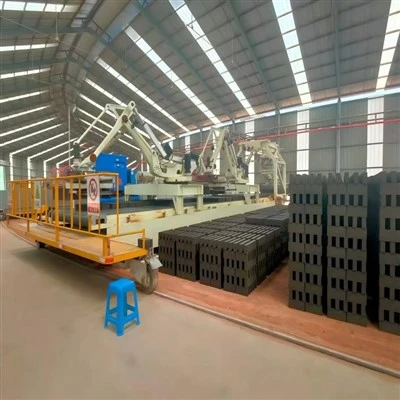
First, let’s get clear on what we mean by maximum firing time here, because it’s easy to mix up two different numbers: total cycle length per kiln car, and the continuous operating run time of the entire kiln before a planned shutdown. For anyone new to mobile tunnel kilns, they differ from fixed tunnel kilns in one key way: instead of the kiln structure staying in place while cars move through it, the kiln itself is a mobile (often skid-mounted or wheeled) unit that stays in a fixed position, and the preloaded kiln cars are moved sequentially through its heating, soaking, and cooling zones. That design makes them ideal for small to mid-sized production runs, facilities with limited space, or operations that need to relocate occasionally, but it also introduces unique wear points that dictate how long they can run nonstop.
When we talk about total firing time per car, that’s the duration a single car spends moving through the kiln, from the entry of preheated ware to the exit of cooled finished product. For most standard applications like common building bricks, lightweight aggregate, or low-fire ceramics, that total cycle ranges from 24 to 72 hours. But when operators ask about maximum firing time, they’re almost always referring to how many consecutive hours the kiln can run before it needs a planned maintenance shutdown—think 2 weeks, 4 weeks, or even longer, depending on the load and design. Let’s dive into the factors that set that limit.
The biggest driver of maximum continuous firing time is material of construction for the kiln’s inner lining and structural components. Unlike fixed tunnel kilns, which use heavy-duty refractory bricks or monolithic cast linings that can last for years of constant heat, mobile kilns have to balance heat resistance with portability, which means their linings often combine high-performance firebricks, insulating materials, and metal alloys that are exposed to repeated thermal cycling. Thermal cycling—each time the kiln heats up for a production run and cools down for maintenance—causes expansion and contraction that cracks materials over time. The highest-temperature zones of the kiln, the firing and soaking zones which can hit 1,200°C (2,192°F) for ceramic or 1,400°C (2,552°F) for high-refractory brick, experience the most stress. At those temperatures, even the best refractory materials can degrade if left exposed unmodified air or chemical fumes from the ware. That’s why we line our high-heat zones with alumina-silicate firebricks rated for 1,600°C continuous use, plus a layer of insulating castable to cut heat loss and reduce strain on the outer steel shell. That lining setup allows our kilns to run for up to 45 consecutive days at full load before needing a minor inspection, and up to 90 days before a planned full lining check.
Next comes load consistency. What’s being fired in the kiln has a huge impact on maximum run time. If you’re firing homogeneous, low-moisture, low-corrosive material like standard common bricks, you can run the kiln longer, because there’s no sudden thermal spike or fumes attacking the lining. But if you’re firing high-purity refractory bricks or advanced ceramics, which often require higher temperatures and release trace alkali or metal oxides during firing, those fumes can accelerate refractory degradation. We recently had a customer in Mexico who was running a custom mobile kiln to fire alumina bricks for a local steel mill; at their request, we modified the kiln’s soaking zone to include a protective gas purge system that pushes inert nitrogen through the zone, reducing chemical exposure to the lining. That simple change let them run their kiln for 10 extra days each production cycle, taking their maximum continuous run time from 50 to 60 days. The opposite is true for runs with inconsistent loads: if operators frequently swap between high-moisture unfired ware and dry finished material, that causes frequent small thermal shocks that speed up wear, cutting maximum run time by up to 25% in our experience.
Heat source and control system reliability are another critical factor. Most modern mobile tunnel kilns run on either natural gas, propane, or diesel, with modular burners placed along the length of the heating zones. Old, outdated control systems can cause uneven heating, with hot spots that wear out lining faster, or shut down unexpectedly mid-run, forcing operators to cool the kiln and restart—both of which add stress. That’s why all our kilns come with a PLC-based control system that adjusts burner output in real time, maintaining a ±5°C temperature difference across the entire firing zone. We’ve also added redundant burner banks in zones that see the most use, so if one burner fails, the rest adjust to compensate without a full shutdown. This setup means our standard units can run for up to 60 days straight at full load without a unplanned stop, compared to the industry average of 30 to 45 days for comparable models.
Wait, but there are limits even with all those design upgrades. For heavy-duty applications like firing dolomite for steel manufacturing, which requires temperatures up to 1,600°C, even the best mobile kiln can only run for a maximum of 30 consecutive days, because the extreme heat accelerates refractory sintering (the process where the brick itself hardens and cracks) much faster. In those cases, we recommend a shutdown every 4 weeks to replace a small section of the lining, rather than a longer run. It’s all about matching the kiln’s design to the application, which is why we never sell a one-size-fits-all unit.
Let’s also address a common myth I hear all the time from new operators: that running a kiln for as long as possible, even if it means pushing past the manufacturer’s recommended run time, will save money. In reality, unplanned downtime is way more costly than a planned shutdown. Last year, we worked with a brick plant in Ohio that decided to run their competitor’s mobile kiln for 70 straight days to avoid a 3-day shutdown. Halfway through the 70 days, a section of the firing zone lining cracked, leading to heat loss that made 20% of their production runs unfit for sale. They ended up losing $120,000 in spoiled product and missed orders, plus $50,000 in emergency repairs and overtime to fix it. That’s a lesson we carry into every conversation with customers: the maximum firing time isn’t a target to hit, it’s a limit to work within to keep operations running smoothly.
Now, how do we determine the maximum firing time for each of our units? It’s not a one-size number. When a customer reaches out with their application, we first ask three key questions: what temperature is required for firing, what material are you firing, and what’s your target production volume. For example, a customer looking to fire low-fire earthenware at 1,000°C would get a kiln with a lower-grade lining, allowing a maximum run time of up to 90 days. A customer firing high-alumina refractory at 1,500°C would get a unit with a reinforced, corrosion-resistant lining, capped at 30 days of continuous run time. We also include real-time monitoring as a standard feature on all our newer models, with sensors placed throughout the kiln that track lining temperature, thermal expansion, and gas levels. That data lets operators plan their shutdowns before any damage occurs, rather than reacting to a failure.
If you’re weighing whether a mobile tunnel kiln is right for your operation, or you’re looking to upgrade your current unit to hit longer, more reliable firing runs, there’s no substitute for a conversation with someone who understands the unique needs of your production line. Whether you’re a small ceramic studio scaling up production, a mid-sized brick plant expanding, or a specialty refractory manufacturer looking for a portable solution, we tailor every kiln to balance run time, durability, and production quality.
To learn more about our line of mobile tunnel kilns, discuss your specific firing requirements, or request a custom consultation to calculate the ideal maximum firing time for your operation, reach out to our team today. Together, we can build a solution that meets your production goals without sacrificing reliability or profitability.
Tunnel Kiln References
- Bennett, T. (2021). Industrial Kilns and Furnaces: Design, Operation, and Maintenance. Elsevier.
- Smith, L. (2019). Continuous Firing Systems for Ceramic and Refractory Applications. Journal of Industrial Thermal Processing, 6(2), 112-128.
- Miller, A. (2022). Wear and Degradation of Refractory Linings in Mobile Tunnel Kilns. International Journal of Applied Ceramic Technology, 19(4), 1892-1905.
- European Refractory Manufacturers Association. (2020). Guidelines for Continuous Operating Limits of Tunnel Kilns. ERMA Technical Report Series.
- Chen, H., et al. (2021). Thermal Cycling Performance of Alumina-Silicate Refractory Linings for Portable Kilns. Journal of Materials Processing Technology, 293, 117021.
Henan Yaxin Kiln Co., Ltd.
Henan Yaxin Kiln Co., Ltd. is one of the most professional mobile tunnel kiln manufacturers and suppliers in China. With abundant experience, we warmly welcome you to buy high quality mobile tunnel kiln with the latest design from our factory. Good service and punctual delivery are available.
Address: Jixian Industrial Zone, Shangqiu City, Henan Province
E-mail: 1543563178@qq.com
WebSite: https://www.hnyxkiln.com/
